Media, Advocacy and Industry Leadership
The Dairy Photographer: Capturing Memories
A dairy photographer documents farm life for families, producers, cooperatives and publications. The craft is part art, part safety awareness and part running a small business.
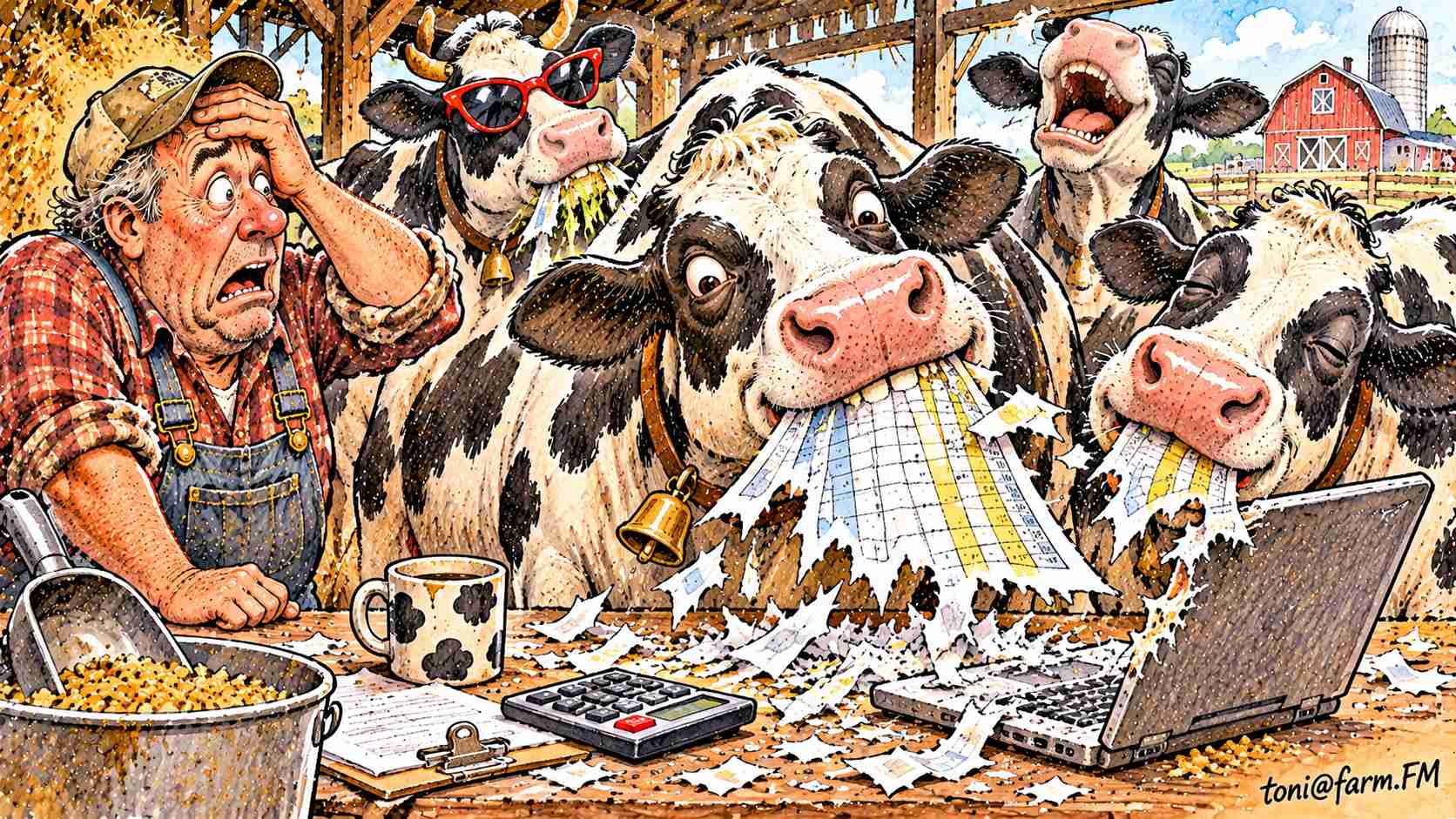
What a dairy photographer does
Clients include farm families who want portraits and herd photos, producers who need images for websites and marketing, associations that publish magazines and fairs and shows that want event coverage. Some photographers sell prints, others license images or shoot on assignment.
The work is mostly early mornings and long days outdoors. Light is best at the edges of the day, which happens to be when farms are busiest, so a good photographer learns to work around milking and feeding rather than in the way of it.
Editing, delivery and client communication fill the rest of the week.
Who this career suits
It suits patient observers who like people and animals, and who can work alone while still taking direction. Photography skill matters, but so does reliability. A farm family will trust you more if you show up on time, follow the rules and respect their space.
People of every background and age build photo businesses. A photographer who understands the community, speaks the families' languages and treats the farm's work with respect often gets repeat business and referrals.
Be realistic about the mix of work. Many photographers spend more time editing, answering emails and delivering galleries than behind the camera. If you enjoy the whole workflow, from the first call to the final file, the business side will feel like part of the craft rather than a chore.
- Technical camera and lighting skill
- Patience with animals and weather
- Clear client communication
- Basic editing and file management
Training and where to learn
Many photographers learn through community college photography or art classes, online courses, workshops and mentoring. A portfolio matters more than a certificate. Start with family and friends, then offer a small project to a local farm or youth livestock show.
Learn how the industry works through Dairy MAX and Hoard's Dairyman, and read about farm life at AgriLife Extension. For business setup see the SBA and Texas Department of Agriculture, and ask the Texas Comptroller about sales tax on photo products.
A hypothetical shoot, as an example
Suppose a dairy family wants photos for a new website. The photographer visits the farm the day before, meets the owner, learns where to stand and agrees on a shot list. At dawn they photograph the milking routine from a safe, approved spot.
Later in the morning they take portraits in good light and shoot detail photos of equipment, feed and calves. Back at the studio they edit, deliver a gallery and get feedback. Over at farm.FM you can find dairy stories that show how important strong visuals are to farm storytelling.
Think about what a farm will actually use. A producer might want a header image, a set of images for a recruiting page and a few photos of staff at work, with permission. Ask clients what they need before you shoot, so the final gallery is useful and not just pretty.
Safety, permission and the legal basics
Cows are large and equipment is dangerous. Always follow the farm's rules, keep a safe distance, wear appropriate footwear and ask before entering any pen or area. Review farm safety resources and OSHA basics for hazards, and follow biosecurity rules so you do not bring disease onto the property.
Get written permission to photograph people and property, especially children and employees. Ask an attorney about model releases and copyright, and a tax professional about income reporting through the IRS. This is general education, not legal advice.
Where it can lead
Photographers can add video, drone work, event coverage, commercial work for agribusiness or teaching. Some become magazine contributors or art directors. For related career paths, see agricultural career guides and check the Texas Workforce Commission and BLS for the outlook on related occupations.
Drone work brings federal aviation rules, so confirm current requirements with the appropriate authority before flying over any farm.
First steps this month
Build a small portfolio and a calendar of local events. Consistent practice improves faster than new gear.
Photograph a county fair or a livestock show, ask a farm for a trial session and write a simple price sheet after checking tax rules. Then read a farm.FM piece on farm photography and browse farm.FM dairy and farming stories.
Keep your backups. Store every shoot in at least two places, label files clearly and keep a simple spreadsheet of clients, dates and permissions. That small habit saves enormous stress when a client calls two years later asking for a file.
- Photograph one local farm event
- Ask a farm for a trial session with written permission
- Build a ten-image portfolio page
- Talk to a tax professional about self-employment
Sources and further reading
- Dairy MAX: dairy promotion in the Southwest
- Hoard's Dairyman: dairy trade publication
- Texas A&M AgriLife Extension: Texas extension service
- SBA: small business loans and counseling
- Texas Comptroller: state tax and economic data
- IRS: federal tax guidance
Ask locally: Ask a working photographer, an attorney about releases and a tax professional about self-employment before you set prices.