Media, Advocacy and Industry Leadership
The Dairy Artist: Celebrating the Industry Through Art
Dairy artists paint, sculpt, illustrate and design work inspired by farm life. The job is creative first, but a sustainable art practice also means pricing, selling and keeping records.
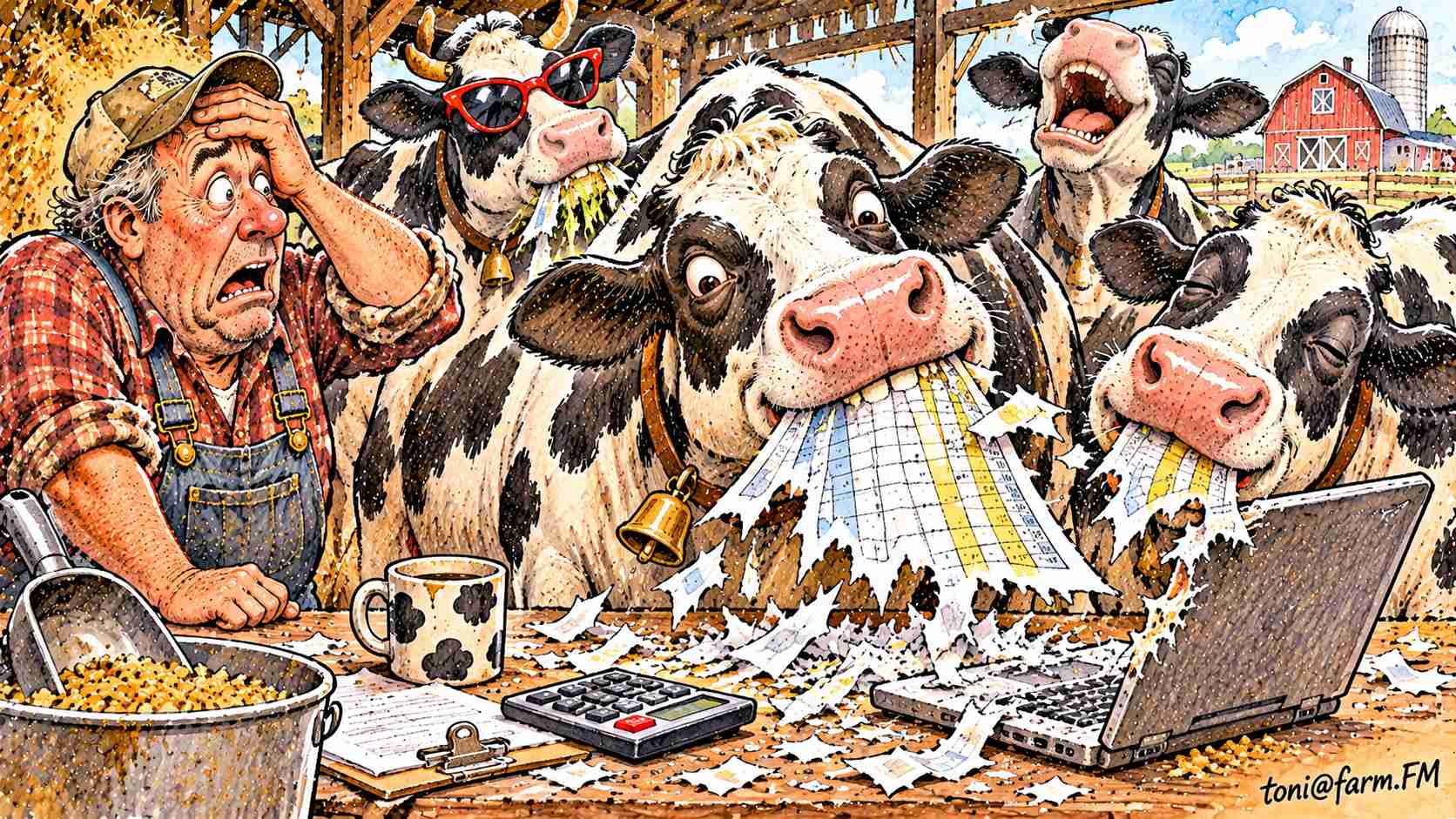
What a dairy artist does
Artists create paintings, murals, illustrations, ceramics, sculpture, labels, logos and posters. Some sell at fairs and galleries, others take commissions from farms, cooperatives or events. A few teach classes or work with schools.
Subjects range from a single cow to a whole barn at sunrise. The most memorable work usually comes from time spent on the farm, watching how people and animals actually move.
Art is also a business, so planning, documentation and customer service matter.
Who it suits
It suits creative, self-directed people who can handle slow periods and uncertain income. You do not need a degree, but practice, feedback and a body of work are essential. A farm background helps, though outsiders bring fresh eyes.
People of every background, age and style make art about farms. The strongest work is respectful of the people it shows, and asks permission before depicting identifiable workers or private property.
One honest question: can you handle criticism and silence? Artists often wait weeks for a response, then hear a harsh comment from a stranger at a fair. If you can keep making work anyway, and learn from feedback without losing your own voice, you have the temperament for the job.
- Consistent studio practice
- Self-promotion and patience
- Respect for subjects
- Basic bookkeeping
Training and where to learn
Many artists study at community colleges or art schools, take workshops or learn from mentors. Local art leagues, fair committees and farm shows are good places to meet people and find your first sales.
Learn about the industry from Dairy MAX and Hoard's Dairyman, and get business support from the SBA. Ask the Texas Comptroller about sales tax on artwork and the IRS about how self-employment income is reported. Texas Department of Agriculture may know of programs that promote Texas products and crafts.
A hypothetical commission, as an example
Imagine a farm asks for a mural for its store. The artist visits, sketches ideas and discusses size, budget and timing. After a written agreement, they prepare the wall, paint over several weekends and share progress photos.
Once finished, the artist invoices, photographs the work for a portfolio and asks permission to use it in marketing. Farm.FM often features dairy humor that doubles as inspiration, and artists have been known to turn a good punchline into a poster.
Remember the farm itself can be a collaborator. A dairy might host a painting day, let you photograph the barn for reference or display your work in the store. Ask politely, offer something in return, such as a print for the office, and keep the relationship warm.
Selling, rights and the business side
Decide how you will price your work by tracking materials, hours and overhead rather than guessing. Use clear written agreements for commissions, and ask an attorney about copyright and licensing before allowing others to reproduce your work.
Do not copy another artist's work or use brand logos without permission. If you sell at events, ask organizers about booth rules and insurance. See small farm business resources for ideas on selling at markets, and consult a tax professional about records.
Where it leads
Artists can grow into murals, illustration for publications, product design, teaching or gallery representation. Some blend art with agritourism by hosting classes on the farm. Check the Texas Workforce Commission and BLS for related occupations, and browse agricultural career resources for ideas.
Many artists keep a steady side income so that art can stay a creative choice rather than a bill-paying burden.
Show your work where farm audiences already gather. County fairs, livestock shows, farm stores and association meetings are all places where art about dairy life will be noticed. Offer a small, well-framed selection rather than a crowded table.
First steps this month
Make time to create and to show. A small, consistent practice beats waiting for inspiration.
Sketch at a farm with permission, post three pieces for feedback and enter one local show. Then read a farm.FM story about farm art and browse farm.FM dairy and cowboy poetry.
Keep a simple record for each piece: the date, materials, hours, photo and where it went. It makes pricing, taxes and portfolio building much easier, and it helps you see what kind of work you actually enjoy making most.
- Sketch on a farm with the owner's permission
- Join a local art group
- Price one piece using materials and hours
- Ask a tax professional about selling art
Sources and further reading
- Dairy MAX: dairy promotion in the Southwest
- Hoard's Dairyman: dairy trade publication
- SBA: small business loans and counseling
- Texas Comptroller: state tax and economic data
- IRS: federal tax guidance
- Texas Department of Agriculture: state agriculture agency
Ask locally: Ask a local art league, a tax professional and an attorney about shows, sales tax and copyright before selling.