Media, Advocacy and Industry Leadership
The Dairy Communications Specialist: Telling the Story
Most people never visit a dairy. Communications specialists build the bridge, through writing, photography, social media, events and conversation.
What does a dairy communications specialist do?
They write news releases, newsletters and web content, manage social media, produce photos and video, plan events and train spokespeople. Employers include cooperatives, promotion groups, associations, large dairies, agencies and educational institutions. Some work as freelancers or run small media businesses.
Accuracy and trust are central. Claims about animal care, environment or products must be true and verifiable.
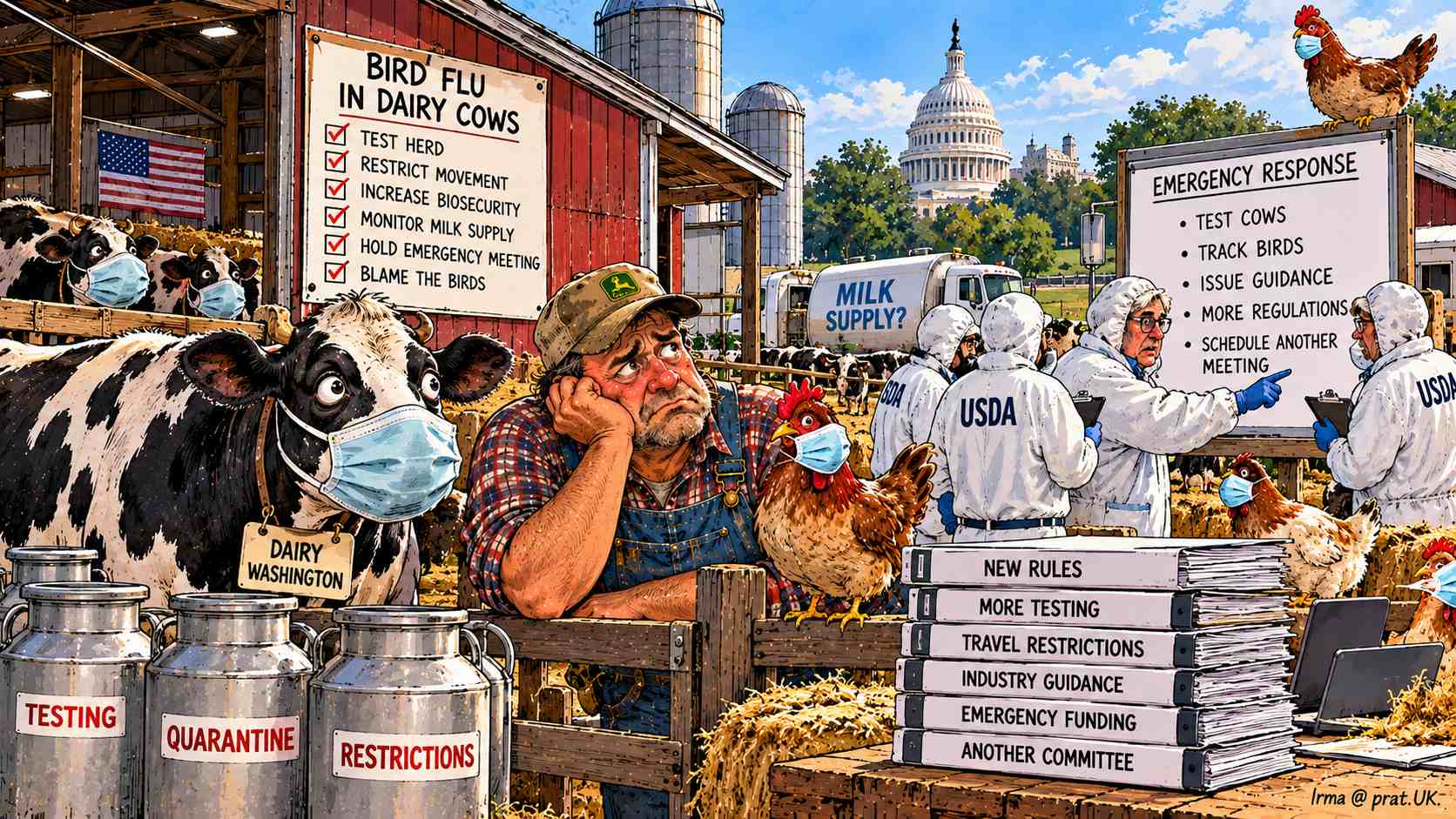
Crisis communication is a hidden part of the job. When an animal health event, a weather disaster or a rumor affects a dairy, specialists often help owners decide what to say, to whom and when, always keeping accuracy and animal welfare first.
Newsletters, photos and videos are the visible output, but listening is the first skill. Good communicators ask farm families what they want people to understand before they write a word.
What does a day look like?
Hypothetical example: a specialist begins with a call to a dairy about photo access for a feature on animal care. Midday brings editing a newsletter and answering a reporter's question about water use. Afternoon time goes to scheduling posts and preparing a farm family for a school presentation.
The role mixes creativity with deadlines, and often requires moving between farm visits and a laptop.
Hypothetical example: a specialist spends a morning at a dairy learning the biosecurity rules, changing boots and gloves at the gate, and following the herd manager so the photographs show real work instead of a staged scene. Respect on the farm earns access next time.
What training helps?
Degrees in communications, journalism, agricultural communications or marketing are common, and portfolios often matter more than credentials. Texas colleges and universities offer relevant programs. Texas A&M AgriLife Extension and Dairy MAX have communications teams and resources.
Learn photography, writing, basic design and interview technique. Build a portfolio with real samples.
Many communicators also learn the rules around advertising claims and endorsements, so ask a licensed professional or the relevant agency if you plan to make product claims.
If you freelance or start a media business, what are the business basics?
Treat it as a business from day one. Register as appropriate, track income and expenses, and learn tax rules from the IRS. The Texas Comptroller explains state tax obligations, and the SBA offers startup counseling and guidance.
Consider contracts, liability and insurance, especially if you work on farms or use drones. Get farm permission in writing before you photograph, and respect biosecurity rules. Consult a licensed attorney or accountant for specifics.
Hypothetical example: a freelance photographer who focuses on farms keeps a simple checklist for each job covering permission, biosecurity, safety gear, model releases and invoice terms. It takes ten minutes and prevents most headaches.
- Written agreements with clients
- Liability and business insurance questions
- Model and property release forms
- Basic bookkeeping from day one
How does the role connect to others?
Communications staff work with owners, herd managers, veterinarians, marketers, researchers and lobbyists. They translate technical information into plain language and help families tell their own stories. Good communicators spend time in the barn so their writing carries authority.
The dairy herd care guide is a good example of plain-language explanation. For satire from the people who laugh with the industry, see farm.FM satire.
Language access is a communications skill too. Many dairy crews are multilingual, and good materials, training videos and safety signs reach people in the languages they use.
What are the realities and career steps?
Expect deadlines, unpredictable news cycles and the need to respond calmly when something goes wrong. Careers can lead to communications director, agency work, public relations, consulting or content entrepreneurship. See the Bureau of Labor Statistics for outlook and the Texas Workforce Commission for openings. Safety on farm visits matters; see the farm safety guide.
People of all backgrounds can build strong careers by being reliable and telling true stories.
What can you do this month?
Start a small portfolio: one profile, one photo set, one short explainer. Ask a dairy if you can interview someone. Read a farm news outlet critically. A farm.FM story about telling the farm story may inspire you.
Introduce yourself to a communications professional at a local organization. For more barn-side reading, browse the dairy stories at farm.FM.
- Build three portfolio samples
- Practice interviewing
- Learn basic photo editing
- Ask about biosecurity before visiting a farm
Sources and further reading
- Texas A&M AgriLife Extension: Texas extension service
- Dairy MAX: dairy promotion in the Southwest
- IRS: federal tax guidance
- Texas Comptroller: state tax and economic data
- SBA: small business loans and counseling
- Bureau of Labor Statistics: labor and price data
Ask locally: Dairy MAX, extension communications staff and local farm media professionals can describe how people enter this field.