Media, Advocacy and Industry Leadership
The Dairy Fundraiser: Raising Money for Research and Education
A dairy fundraiser connects people who care about milk, farms and food with projects that need money, from student scholarships to herd health research. It is a relationship job as much as a sales job, and it suits people who like both stories and spreadsheets.
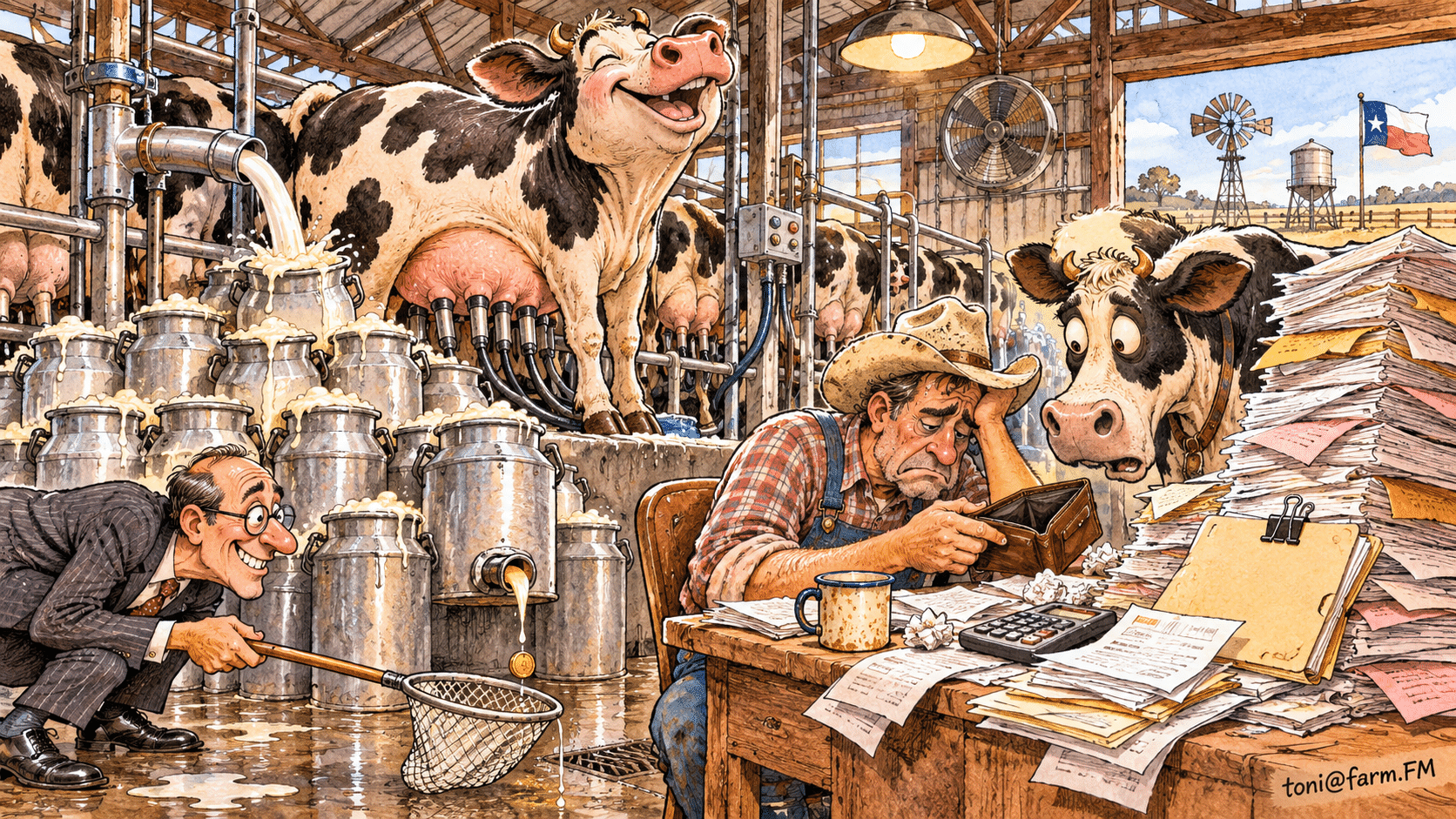
What does a dairy fundraiser actually do?
Most days mix writing, planning and conversation. A fundraiser drafts grant proposals, keeps donor records current, plans events, thanks supporters and reports back on how gifts were used. The work may sit inside a university program, a youth organization, a producer-funded promotion group or a nonprofit that supports farm families.
The cause matters as much as the technique. In dairy, that might mean funding a calf-care study, a scholarship for a student heading into animal science, or a program that brings school groups to a working farm. You need to explain the science and the stakes in plain words to someone who has never watched a milking.
Who is this career a good fit for?
Good candidates are curious about people, organized with details and comfortable asking for support without pressure. Many come from farm backgrounds, but plenty arrive from communications, teaching, accounting or event work. Dairy knowledge can be learned on the job if you are willing to visit farms, plants and classrooms and ask real questions.
People of every background build careers in this field, and bilingual skills are a practical asset in many Texas communities. If you are patient, honest about results and good at follow-through, donors tend to trust you, and trust is the real currency here.
Training and routes into development work in Texas
There is no single required degree. Many fundraisers have studied communications, business, agriculture or nonprofit management, and community colleges across Texas offer coursework in business, marketing and writing that transfers well. Volunteering for a county fair committee or a school fundraiser builds the first entries on a resume.
Professional associations for fundraisers offer their own training and certificates, so ask about current options. For dairy knowledge, the Texas A&M AgriLife Extension offices and Dairy MAX are good places to learn how the industry funds education and outreach.
- Entry points: development assistant, event coordinator, grants assistant
- Skills to practice: concise writing, database accuracy, public speaking
- Helpful experience: volunteering with a farm youth program
A day in the life, as an example
Here is a hypothetical Tuesday. The morning starts with updating donor records and answering two emails from supporters. Mid-morning, the fundraiser drafts a short report for a funder explaining how a scholarship was used. After lunch, they join a call with a program lead to plan a spring event.
The late afternoon might be a farm visit to gather photos and a quote for a newsletter. None of this is glamorous, yet each piece builds credibility. Over at farm.FM there are dairy stories that show how much public interest exists in what happens on the farm, which is useful context when you pitch donors.
How the role connects to the rest of the industry
A fundraiser rarely works alone. You lean on researchers for accurate project descriptions, on producers for access and credibility, and on communications staff for design and tone. Understanding how the industry is organized helps, so read about cooperatives and promotion groups through the National Milk Producers Federation and see how dairy herd management basics shape the research people want funded.
Trust and compliance run through everything. Charitable giving has rules about reporting and tax treatment, so confirm current guidance with the IRS and a qualified accountant instead of guessing. Never promise donors outcomes a project cannot guarantee.
Where the career can lead
A typical ladder runs from assistant to coordinator, then to development manager and eventually director. Some move into grant writing, corporate partnerships or association leadership. The skills carry across sectors, which is a safety net if you later want to work for a different cause.
For job openings and training programs, start with the Texas Workforce Commission and the occupational information at the Bureau of Labor Statistics. Check there for current outlook and pay ranges rather than relying on secondhand numbers. You can also browse agriculture job and career resources for roles that blend farm and nonprofit work.
First steps this month
Pick three steps and finish them. Small, visible progress beats a perfect plan, and it gives you something concrete to talk about in an interview.
Add a post-event note to your calendar so you practice follow-up, because thanking donors quickly is the habit that separates good fundraisers from average ones. For a lighter read on how the farm world sees itself, try a farm.FM story about a dairy gathering, then browse the dairy section and farm education stories for ideas.
- Volunteer for one local agricultural event or scholarship drive
- Interview someone who works in nonprofit development
- Practice writing a half-page impact summary of any farm project
- Search current openings on the TWC site
Sources and further reading
- Texas A&M AgriLife Extension: Texas extension service
- Dairy MAX: dairy promotion in the Southwest
- Texas Workforce Commission: employment and labor programs
- Bureau of Labor Statistics: labor and price data
- IRS: federal tax guidance
- National Milk Producers Federation: dairy cooperatives and policy
Ask locally: Ask the development staff at a Texas university agriculture program or your nearest AgriLife Extension office how they fund outreach.