Business, Science and Compliance
The Dairy Safety Manager: Protecting Workers
Dairies combine large animals, heavy equipment, chemicals, heat and long hours. A safety manager helps everyone go home in the same condition they arrived in.
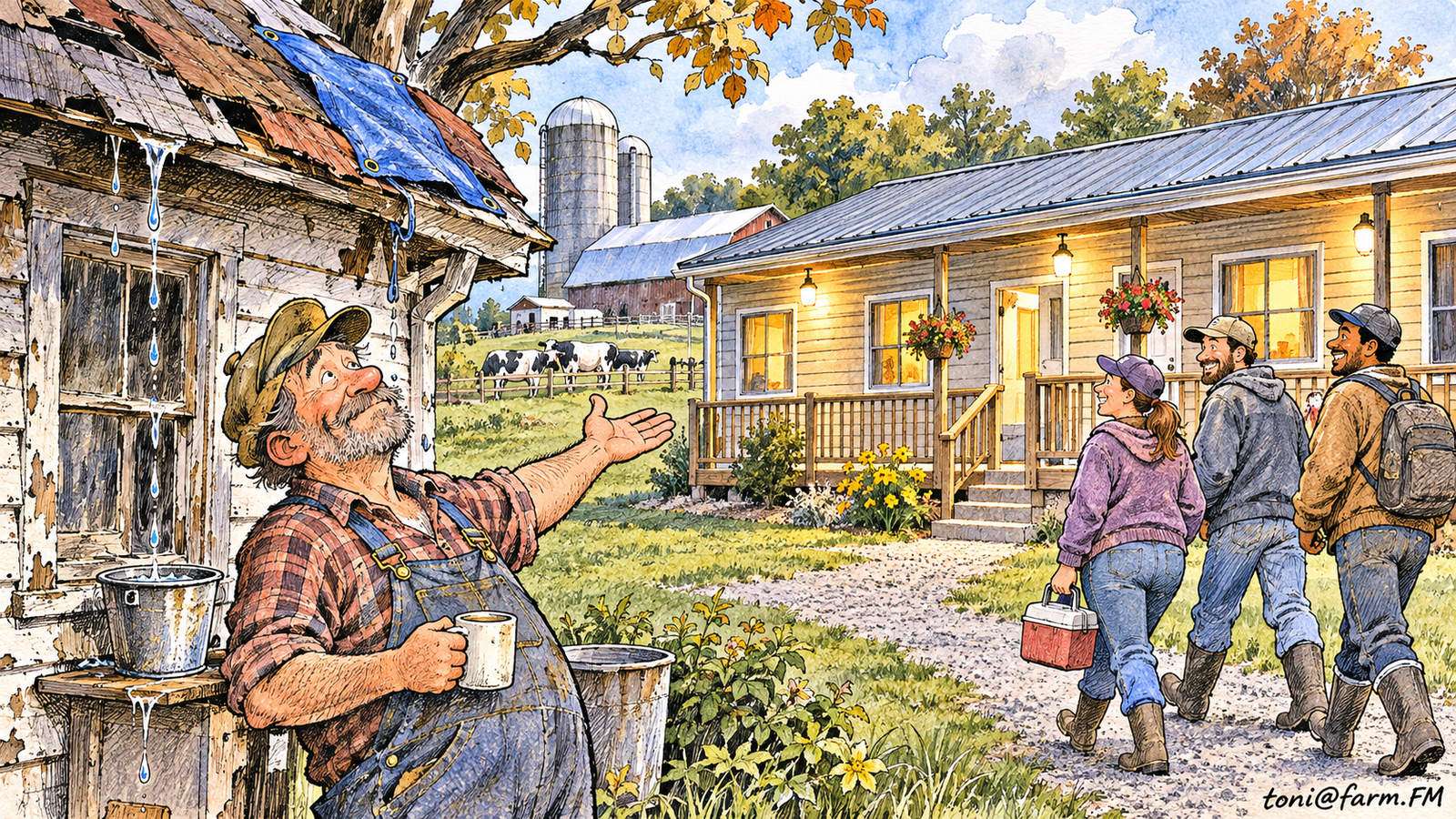
What does a dairy safety manager do?
The manager identifies hazards, sets up procedures, trains workers and checks that rules are followed. That includes machinery guarding, lockout and tagout, chemical handling, animal handling, heat illness prevention, emergency plans and incident review. They keep records and coordinate with outside agencies and insurers.
The best safety managers work with crews, not against them. They ask workers where near misses happen, fix the causes and share results. A culture where people feel safe to speak up prevents more injuries than any poster.
Documentation supports safety. Training sign-in sheets, inspection notes and incident reports show what was done and help you spot patterns over time. Keep them organized and easy to find.
- Hazard walks and inspections
- Training and toolbox talks
- Incident and near-miss review
- Emergency planning and drills
Who is this job for?
It suits calm, observant people who communicate respectfully and follow through. You need credibility with the crew, which comes from listening and showing up. Teaching skills matter.
People come from farm work, supervision, emergency services, maintenance and safety programs. Employers look for integrity and practical judgment. Training in the languages crews speak is valuable.
Small farms and large dairies need different approaches. A small farm may rely on a handful of clear rules and regular conversation, while a large dairy needs formal training schedules and several layers of supervisors.
Rules and training in Texas
OSHA publishes workplace safety rules and training resources, and farms may have specific exemptions or conditions, so confirm what applies to your operation. The U.S. Department of Labor and CDC offer additional guidance. Texas employers may choose whether to carry workers' compensation, so ask the Texas Department of Insurance for current rules and options.
Texas A&M AgriLife Extension offers farm safety education, and community colleges offer occupational safety courses. The Texas Workforce Commission lists training resources. Employers often value safety certificates, so ask which they prefer.
Common hazards and controls
Machinery, animals, chemicals, heat, noise, slips and vehicles cause many injuries. Controls include guards, lockout and tagout, training, personal protective equipment, good housekeeping and clear traffic rules. Confined spaces and manure pits require trained teams and proper equipment, and no one should attempt a rescue without them.
Heat is a big Texas hazard. Water, shade, rest and acclimatization plans matter, and the National Weather Service issues heat alerts. Fatigue is another hazard, so look at schedules. farm safety guides cover many of these topics in plain language.
Start with the biggest risks. A short list of the top five hazards on your dairy, with a named fix for each, beats a long binder that no one opens.
Culture, mental health and emergencies
Safety culture means workers can report problems without fear. Make it easy to speak up, thank people who do and avoid blaming individuals for system problems. New hires, young workers and people new to the language are at higher risk, so extra training helps.
Mental health is part of safety. Stress, fatigue and isolation affect judgment. If someone is struggling, the 988 Suicide and Crisis Lifeline offers help by call or text, and SAMHSA has resources. Prepare emergency plans using Ready.gov guidance and practice them.
A hypothetical day in the life
As an example, a manager starts with a walk through the parlor and shop, noting a missing guard and a cluttered walkway. They hold a short toolbox talk on heat, review a near miss with a supervisor and update a checklist.
They end the day filing records. Overtime and classification rules are described by the Wage and Hour Division. Ask employers about on-call duties.
Career ladder, openings and first steps
The ladder runs from safety coordinator to manager, director or consultant. Read Bureau of Labor Statistics pages for general duties and ask employers about pay. Also see agricultural safety career guides.
This month, take a free safety course, do a hazard walk with a supervisor and ask crews about near misses. At farm.FM, dairy stories and farm education stories give context, and a farm.FM item on farm safety is worth a look.
- Learn your hazard communication basics
- Ask about first aid and CPR training
- Create a simple near-miss log
- Review emergency contact lists
Sources and further reading
- OSHA: workplace safety
- U.S. Department of Labor: labor rules and programs
- CDC: public health
- Texas Department of Insurance, Workers Compensation: Texas workers comp information
- Texas A&M AgriLife Extension: Texas extension service
- 988 Suicide & Crisis Lifeline: call or text 988
Ask locally: Ask an OSHA outreach trainer, an extension safety educator or an experienced dairy safety coordinator.