Business, Science and Compliance
The Dairy Training Manager: Developing Skills
A dairy training manager teaches people to do the work safely and well: milking routines, animal handling, equipment care and record keeping. This profile explains the role and how to build toward it.
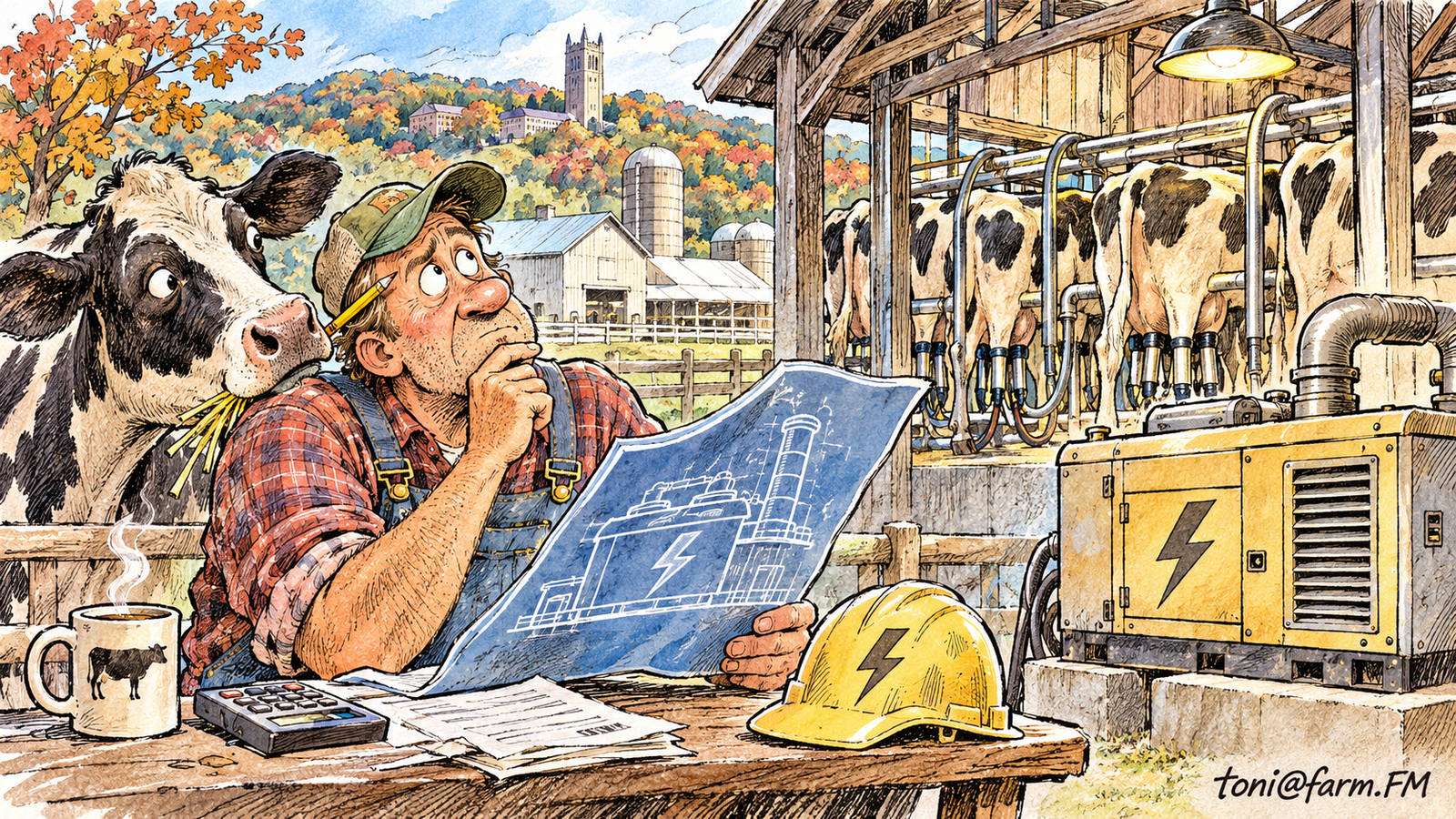
What does a dairy training manager do?
The job turns good practice into something a new hire can learn in days instead of years. A training manager builds orientation plans, shows skills in the barn, watches how people work, gives feedback and updates procedures when equipment, rules or herd health protocols change.
On a Texas dairy that might mean teaching a consistent pre-milking routine, explaining why teat-end cleanliness matters, running a refresher on lockout and tagout, or helping crews who speak different first languages follow the same standard operating procedures.
- Orientation plans for new hires
- Hands-on coaching in the parlor and barn
- Refresher sessions and written procedures
- Training records for each employee
Who does this role suit?
Good trainers are patient, clear and observant. You need to know the work first, usually through time as a milker, parlor lead or herd team member, and then like explaining it. Many of the best trainers remember what confused them in their own first weeks.
Skills in more than one language, picture-based instructions and short demonstrations are valuable. People of every age and background do this well, including workers moving from the barn into a first leadership role.
Some trainers also keep a simple log of questions new hires ask, because the same three or four questions usually show where the written procedure is unclear. Fixing those gaps once saves hours later, and it shows the owner that training is improving real results rather than just filling a calendar.
Training routes in Texas
There is no single license. Common routes include experience plus short courses in adult learning, supervision and safety. Texas A&M AgriLife Extension offers dairy and workforce programs, and Dairy MAX shares dairy education resources. Texas community colleges offer agriculture and instruction-related coursework, and the Texas Workforce Commission lists apprenticeship and skills programs.
A national general-industry safety trainer course from OSHA education channels can also help, though you should confirm what is currently offered and what employers expect before enrolling.
- On-the-job experience as a lead or milker
- Adult learning and supervision short courses
- Safety trainer credentials where employers ask for them
What employers look for
Owners want trainers who reduce injuries, protect milk quality and keep turnover from eating time. They look for reliability, clear communication, comfort with record keeping and the credibility that comes from knowing the work. A trainer who can show a simple before and after, such as fewer repeated mistakes, stands out.
Ask employers how they measure success. Some track safety incidents and some track milk quality and parlor routine consistency, so the answer shapes how you present yourself.
A day in the life (an example)
Consider this hypothetical day. At 5 a.m. a trainer stands beside a new hire to watch a full milking routine, saying little and noting two things to talk about later. After the shift they sit down to review those points using the posted procedure. Midday goes to updating a laminated step guide with photos, and mid-afternoon to a short session for the whole crew on heat safety planned with guidance from the National Weather Service.
Evenings may be spent logging who completed which session, a habit that matters if a safety question ever comes up.
Connections and career ladder
Training managers work closely with HR, herd managers and parlor supervisors. A common path runs from milker to parlor lead to trainer to training manager, then to operations, HR or consulting. You can compare nearby roles at agricultural job and career guides.
Some trainers branch into equipment dealers, feed companies or extension work, where teaching skills transfer directly.
For dairy specific content outside the barn, farm.FM dairy stories often show what daily routines look like from the crew's point of view, which helps a trainer pick examples people recognize.
First steps this month
Choose one process you know well and write it as a five-step guide with photos. Show it to a coworker and see whether they can follow it. Skim herd handling basics at dairy herd care guides, and read Bureau of Labor Statistics occupational information for training roles to understand the general outlook.
For a lighter break, farm.FM runs farm education stories and a farm.FM story about parlor routines that might spark training ideas.
- Write and test a five-step procedure
- Ask your supervisor to let you coach one new hire
- Find one short adult-learning course and note the cost and schedule
Sources and further reading
- Texas A&M AgriLife Extension: Texas extension service
- Dairy MAX: dairy promotion in the Southwest
- Texas Workforce Commission: employment and labor programs
- OSHA: workplace safety
- National Weather Service: forecasts and warnings
- Bureau of Labor Statistics: labor and price data
Ask locally: Talk with a parlor lead or herd manager at a nearby dairy about how new hires are trained, and ask Extension about current dairy workforce programs.