Business, Science and Compliance
The Dairy Energy Manager: Optimizing Power Use
Cooling milk, running vacuum pumps, lighting barns and moving fans all use electricity. An energy manager looks for ways to use less, plan better and keep power reliable.
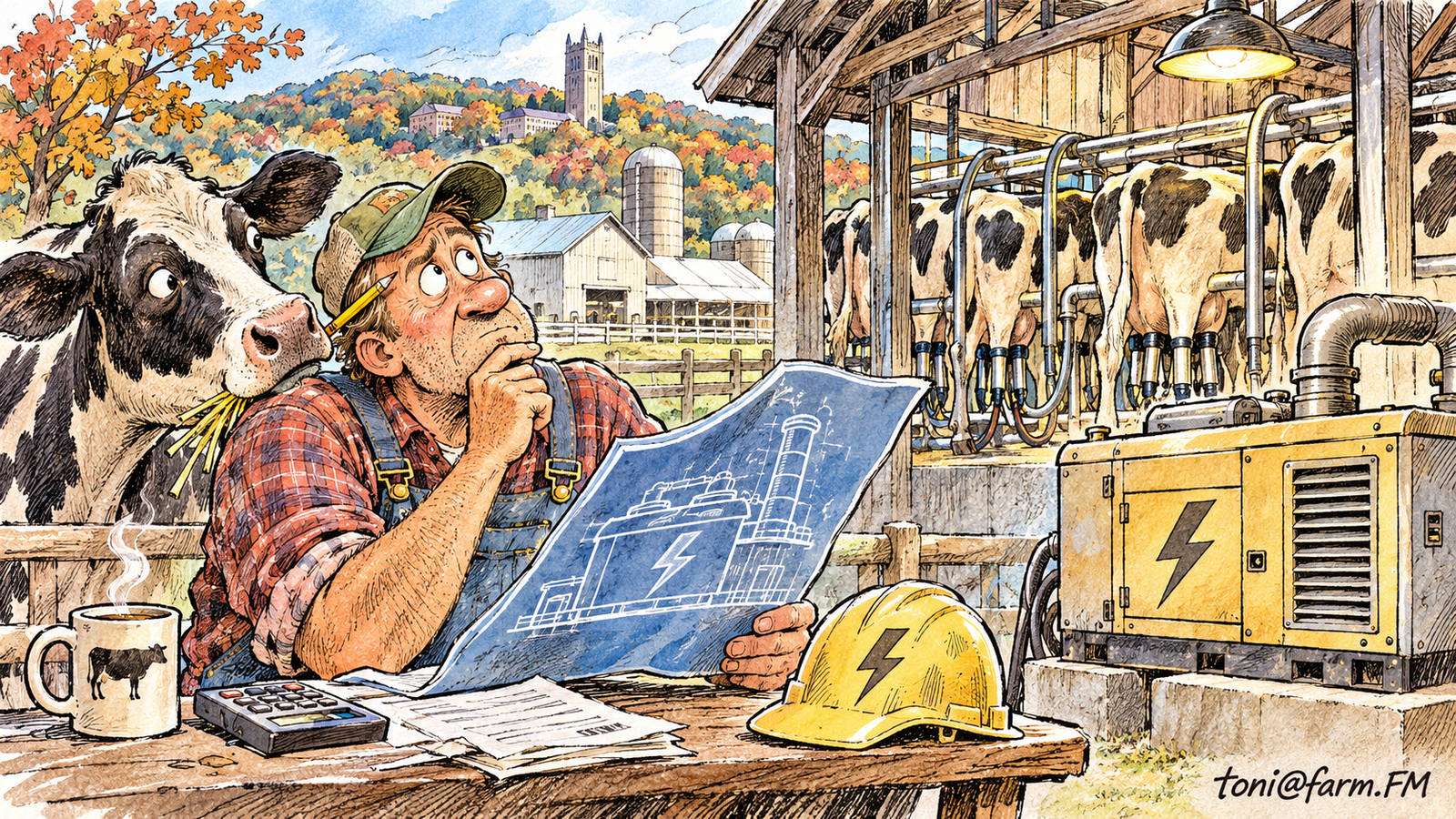
What does a dairy energy manager do?
The manager studies how a dairy uses energy and finds practical savings. That includes reviewing utility bills, checking equipment efficiency, planning upgrades and sometimes managing backup generators or on-site power projects. They help owners compare options and plan projects in order of payback.
Reliability also matters. A cooling failure puts milk at risk, so the energy manager plans for outages, tests backup equipment and trains staff on what to do. Savings never come at the expense of keeping cows comfortable and milk cold.
Equipment choices deserve careful thought. Efficient motors, plate coolers, variable speed drives and better lighting can reduce use, but the right choice depends on the dairy, so ask for independent advice and compare results from similar farms.
- Reviewing bills and usage patterns
- Checking equipment efficiency
- Planning upgrades and backup power
- Training staff on energy habits
Who is this job for?
It suits analytical, practical people who like finding waste. You need to read bills, understand equipment and explain options to owners in plain terms. Patience helps, because savings often come from many small changes.
People come from electrical work, maintenance, engineering, facility management and farm backgrounds. Employers look for accuracy and honesty about expected savings.
Employers prize honesty about savings. Say that estimates are estimates, show your assumptions and follow up after a project to see what really happened.
Training routes in Texas
Community colleges offer programs in electrical, HVAC and industrial technology, and universities offer engineering and energy management courses. The Texas Workforce Commission lists training programs. Texas A&M AgriLife Extension has farm energy resources, and USDA publishes information on energy programs for agriculture.
USDA Rural Development has programs related to rural energy projects, and terms change, so check current details. A dairy cooling and milking system guide helps you understand where power goes.
Ask the utility about programs and rate structures, since how and when power is used can change the bill. Terms vary and change, so check current details directly with the utility and never rely on a rumor from another farm.
A build-your-own energy log
Start with a simple log. Each month, write down the utility bill, the number of cows milked and anything unusual, such as heat waves or equipment repairs. Over a year, patterns appear.
Add a notebook for equipment: age, type, last service date and anything odd. When a motor fails, you will know its history. This simple habit makes it easier to talk with utilities, contractors and lenders. Learn from farm financial planning guides how to describe payback in plain terms.
Share results with crews. When a milker learns that closing a door or turning off idle lights saved real money, habits stick far better than after a reminder note.
Safety and reliability realities
Electrical systems are dangerous, and only trained people should open panels. OSHA publishes electrical safety information. Plan for storms, heat and outages, and use Ready.gov for general preparedness ideas.
Generators bring fire, fuel and carbon monoxide risks. Place them properly, test them regularly and keep records. Ask electricians and your utility about connection rules.
A hypothetical day in the life
As an example, a manager starts by reviewing a monthly usage report and spotting a jump. They check with maintenance, find a failing compressor and plan a repair. Later they meet an owner to compare lighting options.
They end the day updating a project list. The job mixes office work with barn visits. Overtime and classification rules are described by the Wage and Hour Division.
Energy skills transfer well. The same habits apply in processing plants, food warehouses and large facilities, so the career has room to move.
Career ladder, openings and first steps
The ladder runs from maintenance or facilities roles to energy coordinator, energy manager, director or consultant. Read Bureau of Labor Statistics pages for general duties and ask employers about pay.
This month, pull twelve months of bills, ask a technician about the largest users and read one extension fact sheet. At farm.FM, dairy stories and farm economics stories give context, and a farm.FM item on energy costs is a fun read.
- Collect your bills in one folder
- Ask an electrician for an efficiency check
- Learn basic payback math
- Check current program terms before planning
Sources and further reading
- Texas Workforce Commission: employment and labor programs
- Texas A&M AgriLife Extension: Texas extension service
- USDA: U.S. Department of Agriculture
- USDA Rural Development: rural business and community programs
- OSHA: workplace safety
- Ready.gov: FEMA disaster preparedness
Ask locally: Ask an electrician, an extension energy specialist or your utility's business representative.