Bonus Systems for Milk Quality, Somatic Cell Count, and Attendance
A good bonus plan rewards the things a dairy actually needs. A poor one rewards the wrong behavior or leaves workers unsure how to earn it. Here is how to build and read one.
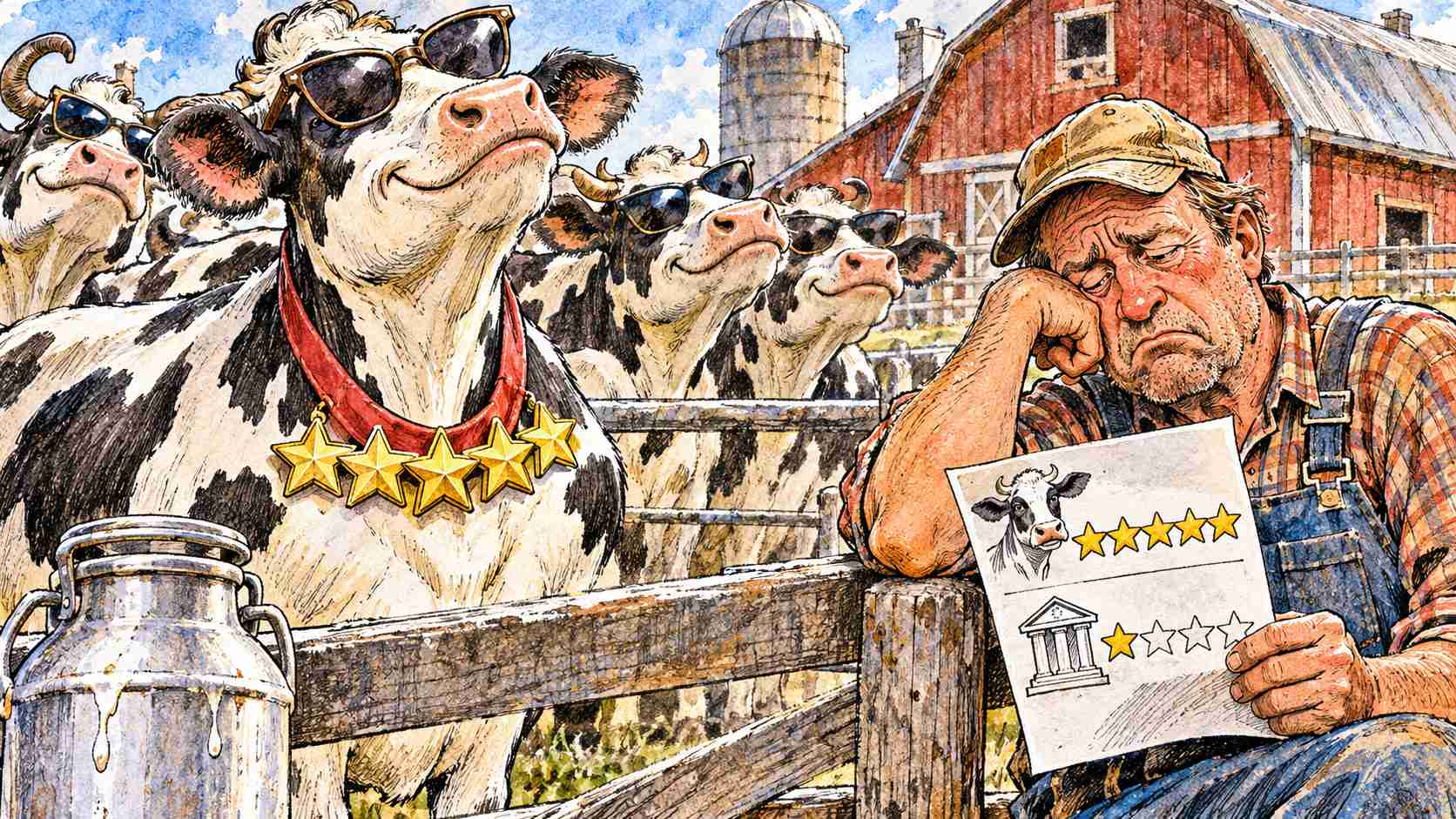
What are dairies trying to reward?
Milk quality and somatic cell count reflect how clean and healthy the herd and the milking routine are. Attendance reflects reliability. Each of these matters, but they are controlled by different people in different ways. A milker influences routine and teat prep, while the herd health team influences treatment decisions.
Before writing any plan, ask who can actually move each measure. Rewarding someone for a result they cannot affect feels like a lottery, not an incentive.
How do the common bonus types work?
Quality bonuses usually pay when milk meets a target set by the farm or the buyer. Somatic cell count bonuses pay when herd or parlor results stay under a target. Attendance bonuses pay for showing up on schedule over a period.
Targets and amounts are set by each farm, so this article does not quote any. Learn how your milk is tested and graded by reading the herd basics at this dairy herd guide and the milk-quality material from Dairy MAX and Texas A&M AgriLife Extension.
What are the risks of a badly built plan?
Attendance bonuses can push sick people to come to work, which is a problem for both worker safety and food safety. Quality bonuses tied to one person can create finger pointing. Plans that change halfway through the quarter erode trust.
Think about injuries and illness. A plan should never discourage reporting an injury or staying home when contagious. The OSHA site explains why injury reporting matters and that retaliation is not allowed in many situations.
The best plans also include a way to say no to risk. If a worker sees a safety hazard or a sick animal that needs attention, the plan should never penalize stopping to deal with it.
- Does the plan punish reporting injuries?
- Does it push people to work while sick?
- Can everyone affected see the numbers?
- Is the target stable for the whole period?
How do bonuses relate to overtime and payroll?
Some bonuses may need to be included when overtime is calculated, depending on how they are structured and whether overtime applies on that farm. Employers should check with the Wage and Hour Division instead of assuming. This is not legal advice.
Record the plan, the period, the formula and the payout in writing. A payroll professional can help make sure bonuses are reported correctly.
A hypothetical example of a team plan
This is an example, not a real farm. A dairy sets a shared target for herd cell count and a separate team goal for on-time shifts. Everyone on the shift shares the payout equally, results are posted monthly, and the supervisor explains any changes before they apply.
The shared design reduces blame, rewards teamwork, and makes it easier for new hires to learn. If you run something different, test it by asking a new employee to explain it back to you.
What should a dairy do when the numbers disagree?
Milk test results can have explanations that are not about worker effort: a mastitis outbreak, a new group of fresh cows, a change in bedding, or a cooling problem. If a bonus depends on a result, build a way to review unusual months with the herd health team before payouts.
A simple rule helps: if the outside cause was beyond the team's control, the farm decides in advance whether the target is adjusted. Writing that rule down prevents hard feelings. Local extension staff, including those at AgriLife Extension staff, can help interpret test data in general terms.
The Department of Labor also explains pay record rules that apply whatever the bonus structure. For a practical overview of herd care that supports better test results, see this dairy herd care page, and for a laugh at the barn's expense, check the farm satire page at farm.FM.
A final tip for workers: keep a record of any month where the bonus did not match what you were told. Dates and numbers help a supervisor sort it out quickly.
How should employees read a bonus offer?
Ask what the target is, how it is measured, when it pays, and what happens if you leave before payday. Ask if the bonus is guaranteed or discretionary. Keep a note of the answers.
For more ideas on culture and pay, see BLS general labor information, and for humor about milk tests, farm.FM has a dairy page with a farm.FM story about milk quality.
Sources and further reading
- DOL Wage and Hour Division: federal wage and overtime rules
- OSHA: workplace safety
- Dairy MAX: dairy promotion in the Southwest
- Texas A&M AgriLife Extension: Texas extension service
- Bureau of Labor Statistics: labor and price data
- U.S. Department of Labor: labor rules and programs
Ask locally: Ask your local Texas A&M AgriLife dairy contact about milk quality targets and a payroll professional about bonus reporting.