Bargaining over Housing and Transportation
Many dairies sit far from town, so where people live and how they get to the parlor is part of the job. Housing and transportation come up in labor talks and everyday hiring, and both sides have fair points worth hearing.
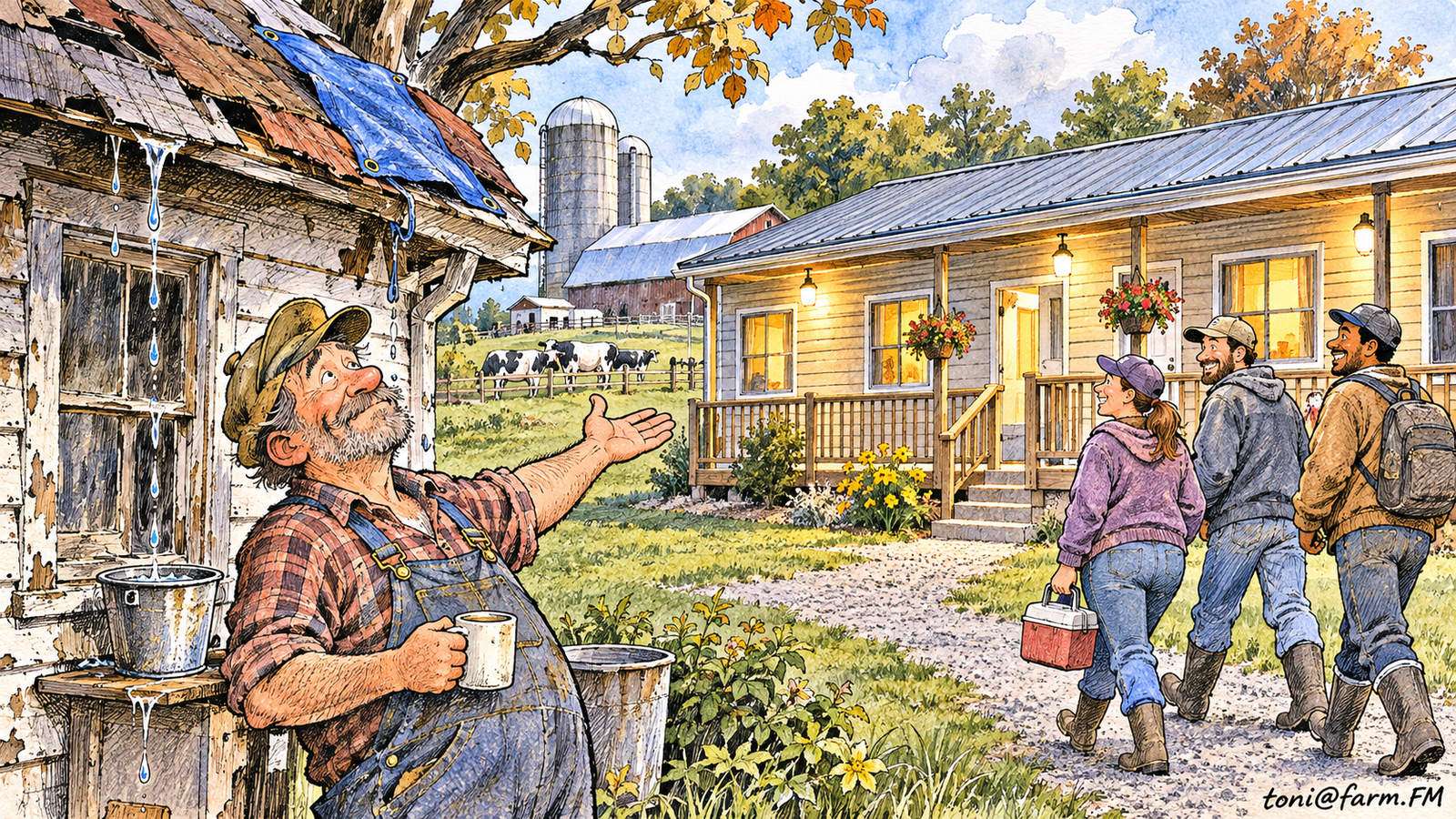
Why housing and rides matter on a dairy
Rural Texas can mean a long drive between the nearest town and the barn, and a milking shift that starts before public services open. Some employers offer houses, mobile homes or rooms on the property. Others arrange vans or carpools. For many workers, these benefits decide whether a job is workable at all.
They also bring risk and responsibility for both sides. A house is a home as well as a workplace perk, and a van is a vehicle with insurance, licensing and safety questions. Treat each as its own subject rather than a footnote to the wage.
What rules should you check?
Employer-provided housing and transport can trigger rules on safety, deductions from pay, recordkeeping and sometimes licensing. The Department of Labor and the Wage and Hour Division explain how lodging and transportation are treated in pay calculations, and the OSHA site covers some housing standards. Check current requirements directly.
If a union represents workers, housing and transport may be bargaining topics, but coverage of agricultural workers is different from many industries. Confirm with the NLRB and an attorney. For deductions from wages, see the Texas Payday Law page.
What workers often want
Workers usually want decent, safe housing with clear terms, a say in repairs and privacy. They want to know what rent or deduction is charged and what happens to housing if the job ends or if they change roles. Families want space, safe play areas and access to schools.
For transport, people want a reliable ride, a predictable pickup, and a plan for emergencies. Ask whether commute time is paid, which can depend on the facts and the rules, so check with the agencies.
- A written agreement on housing terms
- Notice and a fair process before any change
- Repairs handled within a stated time
- Clear rules on guests and family
- A safe, insured and licensed ride, if one is provided
What employers worry about
Owners worry about repair costs, liability, insurance and the line between a benefit and a legal obligation. A house with a safety problem can become a serious issue. A van crash can too. Check insurance and local requirements before offering either.
Small farms may have a single spare house, while large dairies may manage several units. The scale changes the management burden. Many owners find a basic written agreement and a regular maintenance schedule cheaper than dealing with disputes.
A checklist for a fair housing and ride policy
A simple checklist can prevent most arguments. Write it in plain language, in a language the tenant or rider reads, and give each person a copy. Ask a Texas attorney to review it.
Keep records of inspections, repairs and complaints. Walk through the property at move-in and move-out and note the condition together. This protects both sides when memories differ.
- Who owns and maintains the unit or vehicle
- What is charged and how it is recorded in payroll
- Inspection schedule and repair requests
- Rules for visitors, pets and quiet hours
- What happens at job change or end
- Insurance and driver requirements
Hiring, retention and community
Employers say housing and transport help recruit and keep staff. Workers say they appreciate a fair deal and resent a controlling one. A transparent policy helps both. Local partnerships with workforce boards and extension offices can also help, such as the Texas A&M AgriLife Extension and the Texas Workforce Commission.
For more on recruiting and keeping staff, see this agricultural jobs guide and this rural living resource. USDA also publishes rural housing information through Rural Development.
Where to get help and a lighter note
Questions about fair housing and tenant rights belong with an attorney, a legal aid office or the relevant agency. Questions about pay treatment of housing and travel belong with the Wage and Hour Division. This is general education, not legal advice.
If you want a break, farm.FM has dairy stories and farming stories about rural life, including a farm.FM story on rural farm living.
Sources and further reading
- U.S. Department of Labor: labor rules and programs
- DOL Wage and Hour Division: federal wage and overtime rules
- OSHA: workplace safety
- National Labor Relations Board: federal labor relations agency
- Texas Payday Law (TWC): Texas wage claims
- USDA Rural Development: rural business and community programs
Ask locally: Ask a Texas employment or real estate attorney and the Wage and Hour Division about housing and transport rules.