Dairy Processing vs. Farm Labor Union Coverage
A person bottling milk in a plant and a person milking cows on a farm both work in dairy, yet federal labor law can treat them differently. The distinction matters for anyone thinking about unions, contracts or bargaining.
The basic distinction
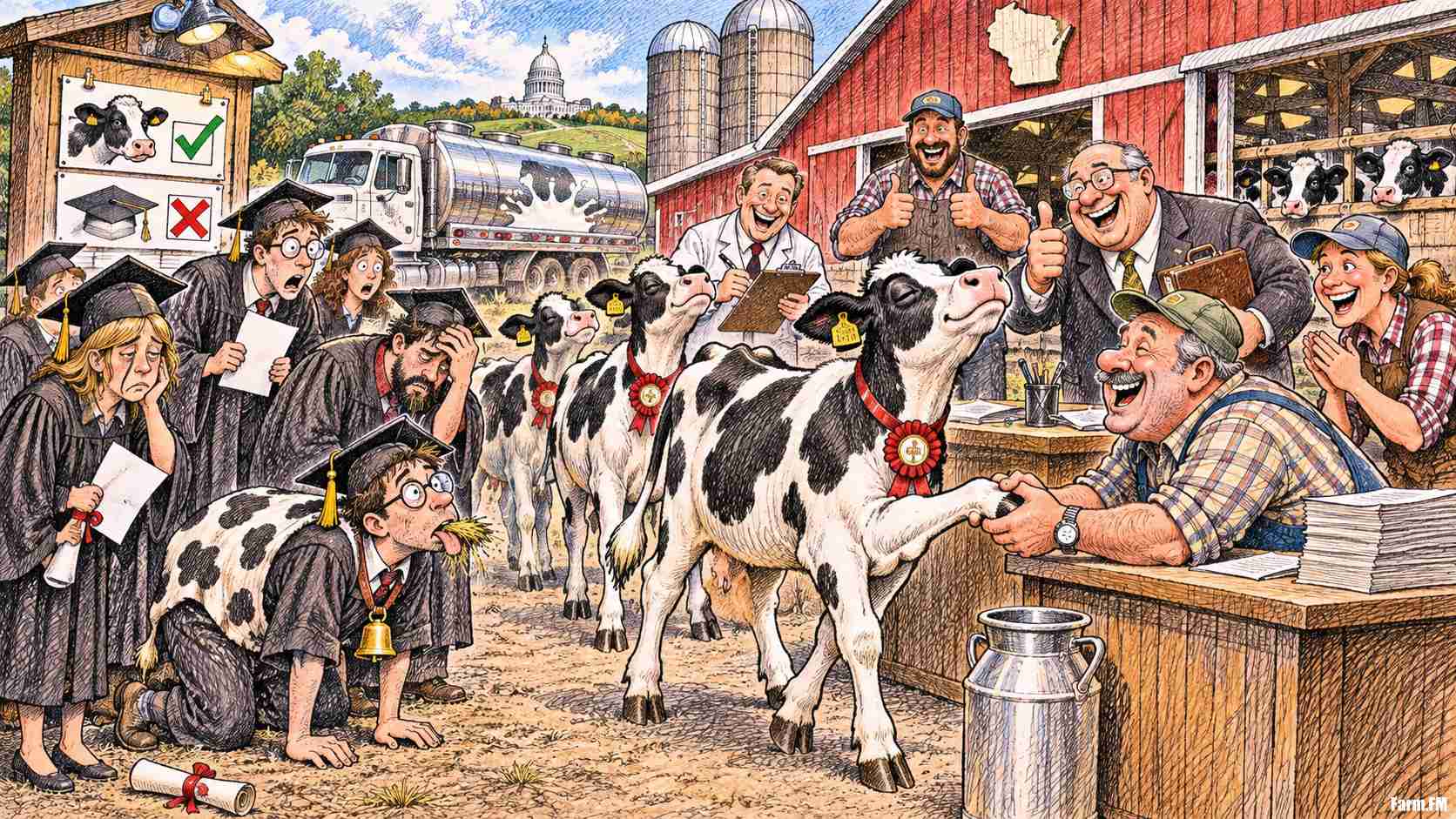
Federal labor law protects many private-sector employees' right to organize and bargain, but it carves out agricultural laborers. Processing work in a plant is generally closer to manufacturing, while work on the farm is generally agricultural. The line is not always simple, so check current rules with the NLRB.
This is the main reason you hear different answers from different people. Someone who works in a plant may be describing rules that do not apply to the dairy down the road.
A classification mistake can have effects beyond union questions. Overtime, workers' compensation, safety reporting and unemployment insurance can all depend on how work is categorized, so get the labels right at the start.
Where the line gets blurry
Some operations do both: a farm that bottles its own milk, a co-op that hauls and processes, or a dairy that packs product from neighboring farms. Whether work counts as agriculture can depend on whose product is handled and how the work is done.
The Texas dairy belt, from the Panhandle to Erath County, includes farms of many shapes. A small farmstead creamery may have a few people doing both, and the right answer depends on the facts. Ask an attorney before assuming.
Texas dairy regions, from the Panhandle to North Central Texas, include family dairies, large herds and on-farm bottling. That variety is why one-size answers fail. Describe your real operation to an attorney and ask which rules fit it.
What plant workers should know
Plant employees are often covered by federal labor rules on organizing, plus wage, safety and food safety requirements. See the Department of Labor, OSHA and the FDA for the broader rules in a plant.
If a union is present, the contract becomes a key document. Read how it treats seniority, shifts, pay and discipline, and ask the union or the employer for a copy. For general job paths in processing, see this agricultural jobs guide.
What farm workers should know
Farm workers have protections too, but through different sources: wage and hour rules, safety rules, state wage claim processes, anti-discrimination law and, in some cases, state-level rules. The Wage and Hour Division, Texas Workforce Commission and EEOC are good first stops.
Workers can still talk together about pay and conditions and can still raise concerns, but check which legal protections cover that kind of activity before assuming.
Keep your own notes too. A pocket notebook or a phone note with dates, hours and what was said takes a minute a day and can settle a later disagreement with facts instead of memories.
- Ask which agency handles your kind of issue
- Keep your own record of hours and pay
- Save written messages about schedule and pay
- Ask a legal aid group or attorney for coverage advice
The arguments people make
Supporters of extending organizing rights to farm workers argue that farm work involves hard conditions, that workers need a collective voice and that the exclusion is historical rather than principled. Critics, including many farm employers, argue that farms face unique seasonal, weather and perishability pressures, and that small family operations differ from large employers.
Both sides cite history, economics and personal experience. The facts about wages, injuries and turnover are disputed and vary by farm, so read primary data from the Bureau of Labor Statistics and not only advocacy summaries.
What employers who span both should do
If you run both a farm and a processing operation, track the work separately in payroll and policy. Different groups may be covered by different rules, and mixing them is how mistakes happen.
Ask your attorney to review job descriptions, time records and policies. For safety, the guidance at this farm safety resource works across both.
If you employ people in both settings, a short written policy that names each group and the rules that apply to it helps supervisors answer questions consistently and avoid making promises they cannot keep.
Lighter reading
Not everything about dairy is a legal puzzle. farm.FM has dairy stories, farm news and a story from farm.FM on milk plants.
This article is general education, not legal advice.
Sources and further reading
- National Labor Relations Board: federal labor relations agency
- U.S. Department of Labor: labor rules and programs
- OSHA: workplace safety
- FDA: food and drug safety
- DOL Wage and Hour Division: federal wage and overtime rules
- U.S. EEOC: workplace discrimination and harassment rules
Ask locally: Ask a Texas labor attorney whether the work at your site counts as agricultural or processing.