Processing, Sales and Logistics
The Dairy Quality Control Manager: Protecting the Brand
Every carton and every tanker load carries a promise about safety and consistency. The quality control manager is the person who checks that the promise holds, and the job rewards careful, curious people.
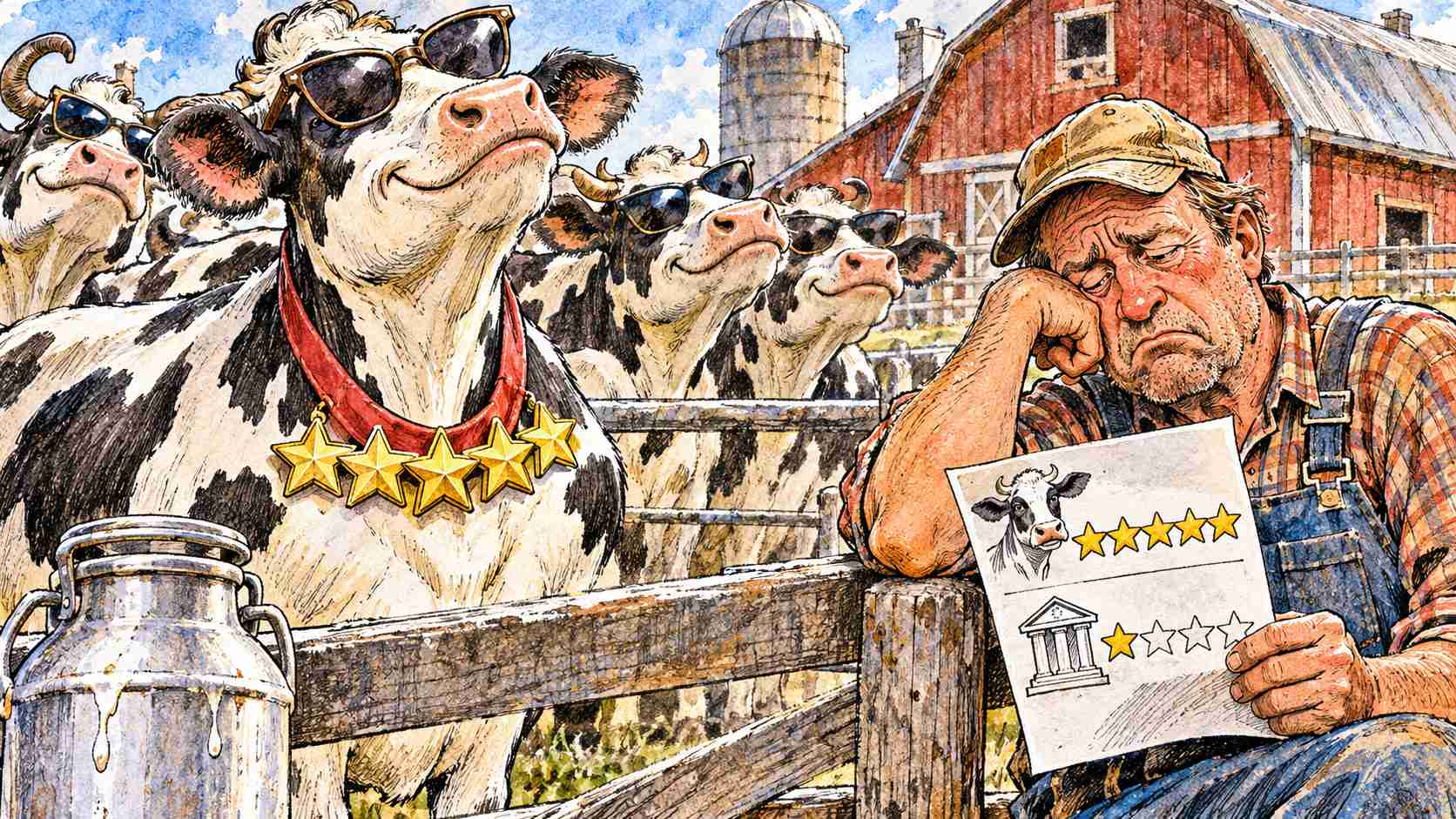
What does a quality control manager do all day?
The core task is making sure milk and dairy products meet safety rules and the company's own standards. That includes sampling incoming milk, running lab tests, reviewing sanitation records, tracking temperatures and investigating anything that looks off. When a result is out of range, the quality manager decides what happens next and documents it.
Beyond the lab, the role includes training staff, writing and updating procedures, preparing for inspections and talking to suppliers when milk does not meet specs. It is a mix of science, record keeping and communication.
- Sampling and lab test review
- Sanitation and temperature records
- Inspection preparation
- Supplier and customer communication
Who is a good fit?
Detail-minded people tend to thrive. If you notice small differences, like documentation that does not quite match or a process that drifted, this work fits. You also need the nerve to raise a problem when it is inconvenient, since stopping a line is sometimes the right call.
People come to quality from lab work, biology or chemistry classes, production jobs and food safety roles. You do not need to be the loudest voice in the building, but you do need to be clear and consistent. Welcoming, practical communication helps with crews who speak different first languages.
What training and certification routes exist?
Many quality managers hold a degree in food science, dairy science, microbiology or a related field, but experience counts too. Texas community colleges offer lab and technology courses, and Texas A&M AgriLife Extension provides education in food and dairy topics. Ask employers which food safety credentials they prefer, since plants differ.
Learn how federal food rules work. The FDA publishes dairy-related food safety guidance, and USDA programs touch milk marketing and grading. In Texas, the Texas Department of Agriculture and the state health agencies regulate parts of the supply chain, so check which agency applies to the plant you target.
Sampling and testing methods change over time, so build the habit of reading current guidance rather than relying on what a manual said years ago. A mentor in the lab can save you months.
How does quality connect with the other jobs on the dairy?
Quality sits close to everyone. Drivers collect the first samples. Farm staff care for the cows and equipment that produce the milk. Plant operators run the process, and maintenance fixes issues that cause contamination risks. A quality manager who understands each role gets better cooperation.
The relationship with the farm matters. Milk quality begins in the parlor, so understanding milking hygiene and herd health basics helps a quality manager explain results to producers without blame. Sales teams also rely on quality to back customer promises.
Learn how plants handle jobs and training pathways too: agricultural job and career guides give a broader sense of how quality fits with other roles, and education stories on farm.FM offer more reading.
A day in the life, as a hypothetical example
Imagine a quality manager starting with a review of overnight lab results. One batch shows a reading near the limit, so they ask the lab to retest and check the cooler log. Mid-morning they walk the floor with a sanitation lead, then spend an hour writing an updated procedure.
After lunch a customer calls with a question about a lot code. The manager pulls records, traces the lot and replies the same day. Some days are quiet paperwork, and some are urgent investigations. That is an example only, and real days vary by plant.
Career ladder and finding openings
A typical ladder moves from lab technician or sanitation staff to quality specialist, then quality supervisor, then manager, and later to director roles across several plants. Some people branch into regulatory affairs, food safety consulting or auditing.
Search Texas Workforce Commission job listings, company sites and industry groups such as Dairy MAX. Read general occupational descriptions at the Bureau of Labor Statistics for a pointer on duties and training, and ask employers directly about pay. For a lighter take on the people behind your milk, try the dairy section at farm.FM.
Quality managers who like teaching can move toward training roles, where they build onboarding programs for new hires. That is a good option for people who enjoy explaining why a rule exists.
First steps this month
Choose a few steps you can finish in four weeks. Take a free online food safety course, ask a lab tech to explain one test they run, and read the sanitation rules that apply at your current job.
If you are in a plant already, offer to help with record audits. A farm.FM piece about milk quality is a good conversation starter with farm contacts.
- Learn the basic vocabulary of milk testing
- Ask your supervisor about food safety credentials
- Review OSHA basics for chemicals used in sanitation
- Keep a small notebook of problems you solved
Sources and further reading
- Texas A&M AgriLife Extension: Texas extension service
- FDA: food and drug safety
- USDA: U.S. Department of Agriculture
- Texas Department of Agriculture: state agriculture agency
- Texas Workforce Commission: employment and labor programs
- Dairy MAX: dairy promotion in the Southwest
Ask locally: Talk with a plant lab technician, a community college science instructor or an extension dairy specialist about training paths.