Processing, Sales and Logistics
The Dairy Equipment Salesperson: Providing the Tools for Success
Milking systems, feeders, cooling tanks and cow comfort gear are big purchases that a dairy lives with for years. The equipment salesperson helps owners choose well and then stays around to support the decision.
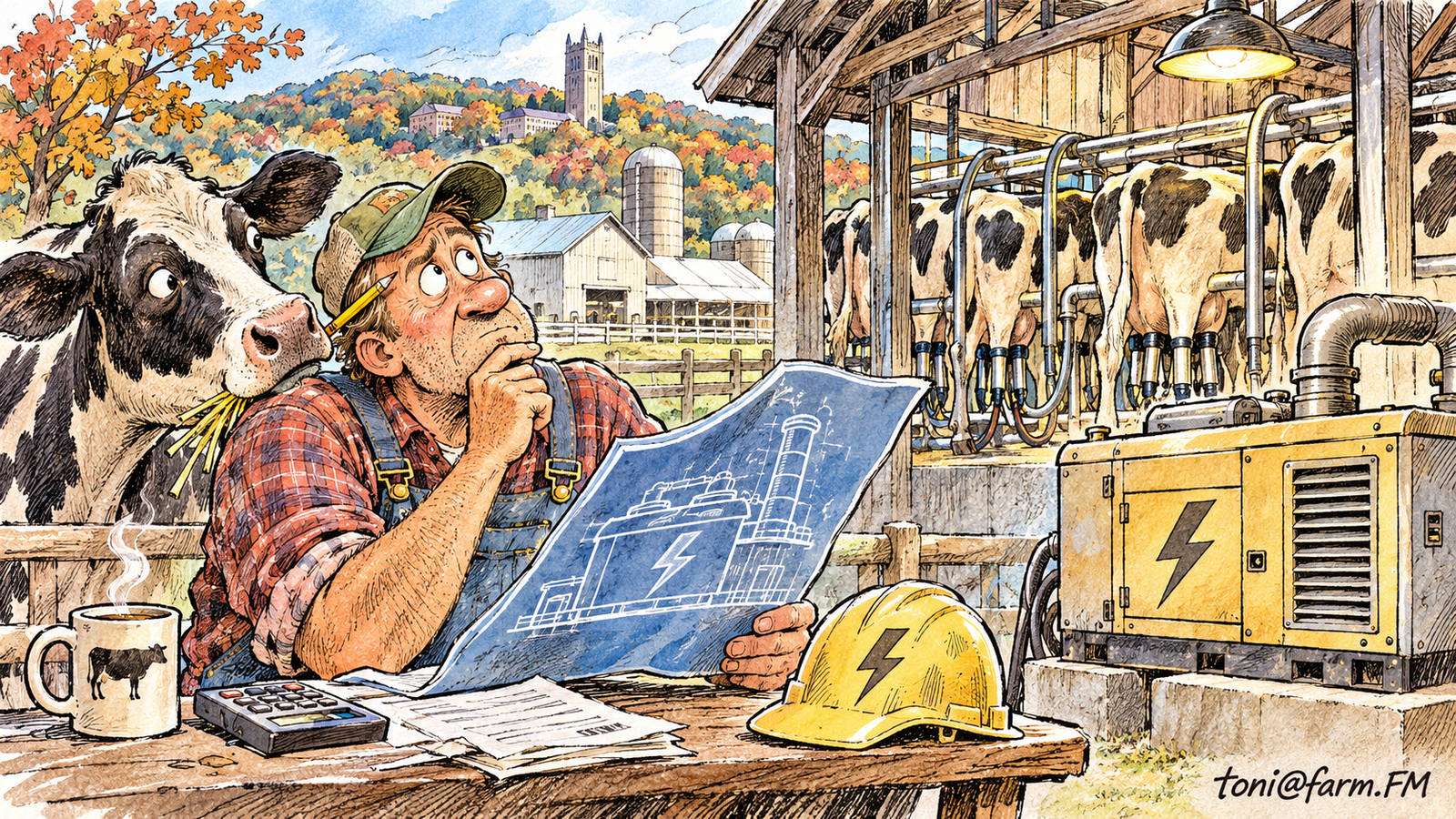
What does a dairy equipment salesperson do?
The salesperson meets with owners and managers, learns how the operation runs and recommends equipment that fits. That might mean a parlor upgrade, a new cooling system, a feed mixer or sensors for cow monitoring. They prepare quotes, explain features and coordinate delivery and installation with service teams.
Because purchases are large and long-lived, trust matters more than pressure. The best salespeople ask careful questions, explain trade-offs honestly and follow up after the sale. Many also help owners explore financing options by pointing them to lenders rather than arranging credit themselves.
Demonstrations help. Many reps bring a manufacturer's specialist to the farm, or arrange a visit to another dairy already running the equipment, so the buyer can see it in daily use and ask the people who work with it what they like and what annoys them.
- Assessing an operation's needs
- Preparing quotes and explaining options
- Coordinating installation and service
- Following up after delivery
Who is this job for?
The role suits people who enjoy technical conversations and building long relationships. You need to be comfortable learning how machines work, but you do not need to be a mechanic. Listening matters more than talking.
People come from farm backgrounds, service departments, sales jobs and business programs. Employers look for honesty, product knowledge and dependable follow-through. Bilingual skills help in many Texas dairy communities.
Do not assume the owner is the only decision maker. Herd managers, milkers and maintenance staff will live with the equipment every day, and their opinions often decide whether a purchase turns out well.
Training routes in Texas
Most salespeople learn through on-the-job training and manufacturer programs. Community college courses in business, agriculture or mechanics help, and Texas A&M AgriLife Extension offers programs on dairy management and technology. Dairy MAX and Hoard's Dairyman help you see what dairies are talking about.
Learn how farm economics work. The Economic Research Service publishes farm economy analysis, and USDA Dairy Market News gives a regular read on dairy markets. Owners plan purchases around margins and cash flow, and understanding that makes you a better advisor.
How the job connects with the rest of the dairy
The salesperson works with owners, herd managers, milkers, maintenance technicians and electricians. A new parlor affects daily routines, so you must think about how workers and cows move through it. Learning from dairy herd management guides helps you speak the language.
Salespeople also depend on service technicians who install and repair equipment. If service lets the customer down, the sale suffers. Understanding farm equipment buying and maintenance guides gives you a useful baseline.
A hypothetical day in the life
As an example, a salesperson starts the day answering messages and then drives to a dairy to look at a failing cooling tank. They take measurements, ask about milk volumes and talk with the manager about budget. After lunch they prepare a quote and call a service technician to confirm installation timing.
Later they visit another customer to check how a recent installation is running. Long drives across Texas are common, so ask about vehicle, territory and schedule. Check overtime or commission rules with the Wage and Hour Division and ask employers how pay is structured.
Texas dairies range from small family herds to very large operations in the Panhandle and Central Texas, and the sales approach differs. Small farms may want simple, repairable equipment, while larger dairies may ask about automation and data.
Ethics, honesty and common mistakes
Trust is the whole business. Promise only what the equipment can deliver, explain maintenance needs plainly and never push an owner into a purchase they cannot afford. If a customer's current equipment can be repaired, say so.
Common mistakes include skipping the needs assessment, ignoring workers' feedback and underestimating installation time. Keep notes, confirm details in writing and always give owners a way to check specifications with independent sources.
Career ladder, openings and first steps
The ladder runs from parts counter or inside sales to territory rep, key account manager, regional manager and dealer ownership. Some move to manufacturers or consulting roles. Search WorkInTexas and dealer sites, and read Bureau of Labor Statistics pages for general duties. Ask employers about pay directly.
This month, visit a dealership, ask a salesperson about their week and read one trade magazine. Over at farm.FM, dairy stories and farm economics stories help with background, and a farm.FM item on dairy technology is a good read.
- Learn the names of major equipment components
- Practice explaining one product in plain language
- Ask a customer what they wish salespeople knew
- Update your resume with customer wins
Sources and further reading
- Texas A&M AgriLife Extension: Texas extension service
- Dairy MAX: dairy promotion in the Southwest
- Hoard's Dairyman: dairy trade publication
- USDA Economic Research Service: farm economy data and analysis
- USDA Dairy Market News: weekly dairy price reports
- DOL Wage and Hour Division: federal wage and overtime rules
Ask locally: Ask a dealer sales manager, an extension dairy specialist or a long-time dairy owner what they value in a salesperson.