Media, Advocacy and Industry Leadership
The Dairy Photographer: Capturing the Story
A dairy photographer documents cows, people, barns and products for farms, brands, publications and families. This profile covers the creative work and the business side.
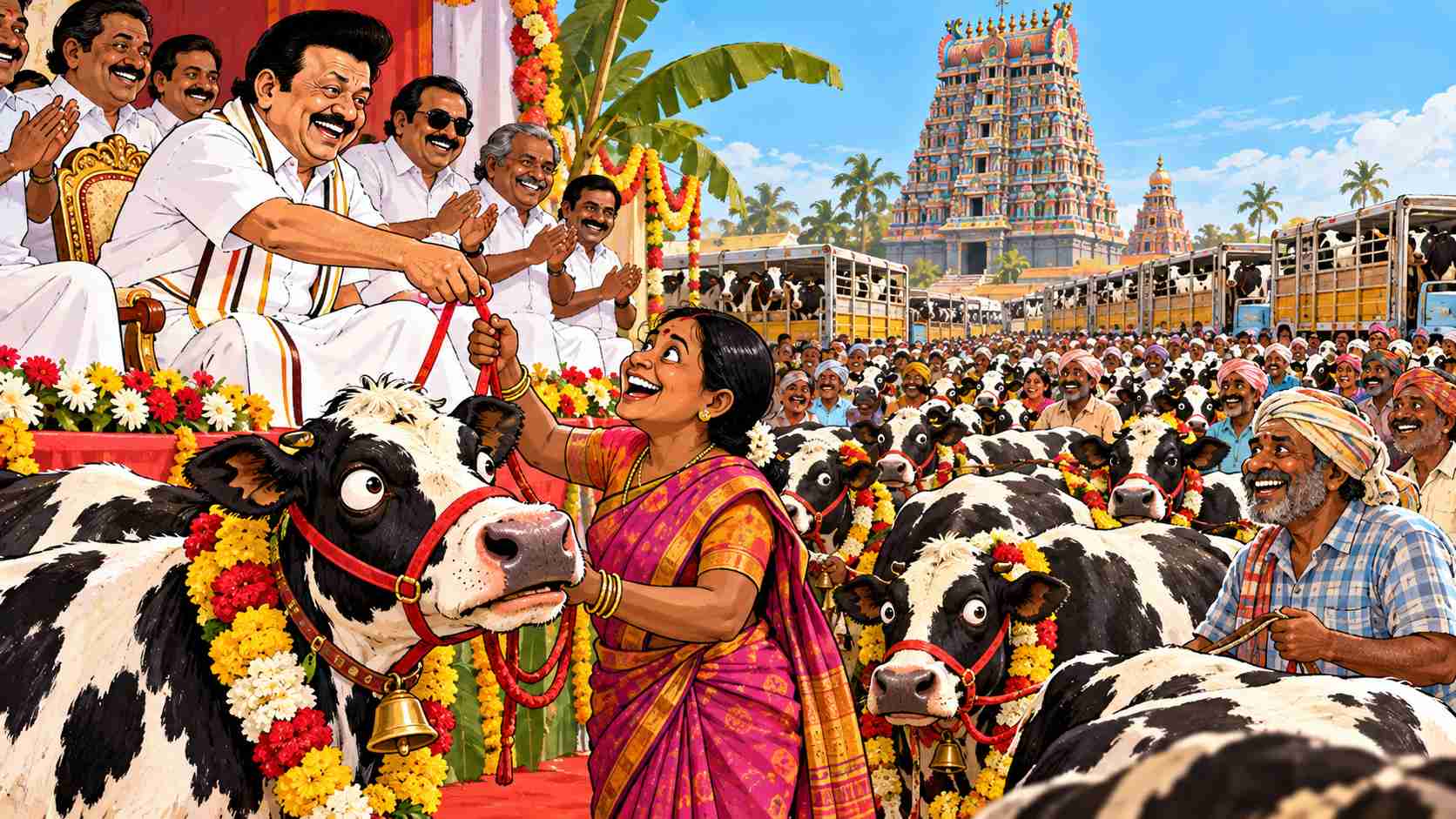
What does a dairy photographer shoot?
Clients include dairies that need images for websites and recruiting, processors and brands that need product and farm shots, cooperatives, publications, and families who want portraits at the barn. Work ranges from calf portraits to parlor action, equipment, landscapes and events.
Good dairy images show real work honestly and safely. They also help recruiters, teachers and cooperatives explain the job to people who have never seen a parlor.
- Farm and herd portraits
- Parlor and barn work
- Product and brand images
- Events and family sessions
Who is it for?
It suits people with a good eye, patience and comfort around large animals. You need to learn the farm's routine so you do not interrupt it, and you must be careful with gear around moving cattle and machinery. People of any background can build this work.
Many start as hobbyists and grow by doing a few paid sessions for local dairies.
Patience with animals is as important as patience with clients. Slow movements, a quiet voice and a respectful distance keep cows calm and keep you safe. A herd manager who sees you pay attention to the cows will invite you back.
Skills and training
Learn exposure, light, composition, editing and file management. Community colleges, online classes and local photography groups help, and Texas A&M AgriLife Extension communications programs offer exposure to agricultural storytelling. Practice in barns, where mixed light, dust and moisture challenge a camera, and protect gear.
Photographers should also understand biosecurity. Ask a herd manager about boots, entry rules and clean zones, and review safety guidance at farm safety resources.
- Photography fundamentals and editing
- Practice in difficult barn light
- Biosecurity and farm manners
Permits, insurance and business basics
Photography is a business. Register according to Texas requirements, which you can confirm with the Texas Comptroller. Keep records for the IRS, and talk to a licensed accountant. The SBA offers counseling for small businesses.
Ask an insurance agent about liability and equipment coverage, and use written agreements that cover usage, model releases for people photographed and who owns the images. If you plan drone work, check current federal and local rules before you fly. This is general education, not legal advice.
A shoot can go wrong without a plan. Agree beforehand on timing, which areas are open and who the point of contact is. Ask whether any employees prefer not to be photographed and honor that, and never post images that show a real person without their permission.
Marketing your work
Show a focused portfolio. A page of ten strong dairy images beats a hundred mixed ones. Reach out to dairies, cooperatives and industry groups such as Dairy MAX, and offer a small first project. Share work where producers and brand managers spend time, and always get permission before posting images of people or places.
Referrals matter. A well-run first shoot that respects the barn leads to the next.
Pricing should cover your time on site, editing, travel and licensing. Decide whether the client receives full rights, limited rights or a license for a period, and put that in writing. Ask an accountant how to track mileage and gear costs, and keep copies of all releases.
A day in the life (an example)
In a hypothetical day, the photographer arrives at 5:30 a.m. to catch parlor light, checks in with the herd manager and wears the required boots. Early shots cover cows entering the parlor and crew at work. Midday is calf and pasture shots, then lunch. Afternoon is editing and delivering a gallery, followed by an invoice.
Planning and communication use as much time as shooting.
Seasonal rhythm is useful: spring calves and pasture, summer heat and equipment, fall harvest and feed work, and winter barn life. Planning a year of images lets you pitch multiple projects and keep a steady flow of work.
Where it leads and first steps
Paths include freelance work, a studio, a staff job in marketing or communications, teaching, or specialty fields such as agritourism and documentary work. Look at the Bureau of Labor Statistics for general outlook information, and browse agricultural career guides.
This month, shoot one practice set at a friendly dairy with permission, edit ten images and ask for feedback. Browse dairy stories and farming stories at farm.FM for visual ideas, along with a farm.FM story with cow photos.
- Ask a dairy for a no-pay practice session
- Edit a ten image portfolio
- Write a one page photography agreement and have it reviewed
Sources and further reading
- Texas A&M AgriLife Extension: Texas extension service
- Texas Comptroller: state tax and economic data
- IRS: federal tax guidance
- SBA: small business loans and counseling
- Dairy MAX: dairy promotion in the Southwest
- Bureau of Labor Statistics: labor and price data
Ask locally: Ask a local dairy owner, an Extension communications staffer or a small business counselor for portfolio and business feedback.