Media, Advocacy and Industry Leadership
The Dairy Content Creator: Producing Engaging Content
A dairy content creator makes videos, articles, podcasts and posts about milk, cows, cheese and farm life. This profile covers the creative craft and the business behind it.
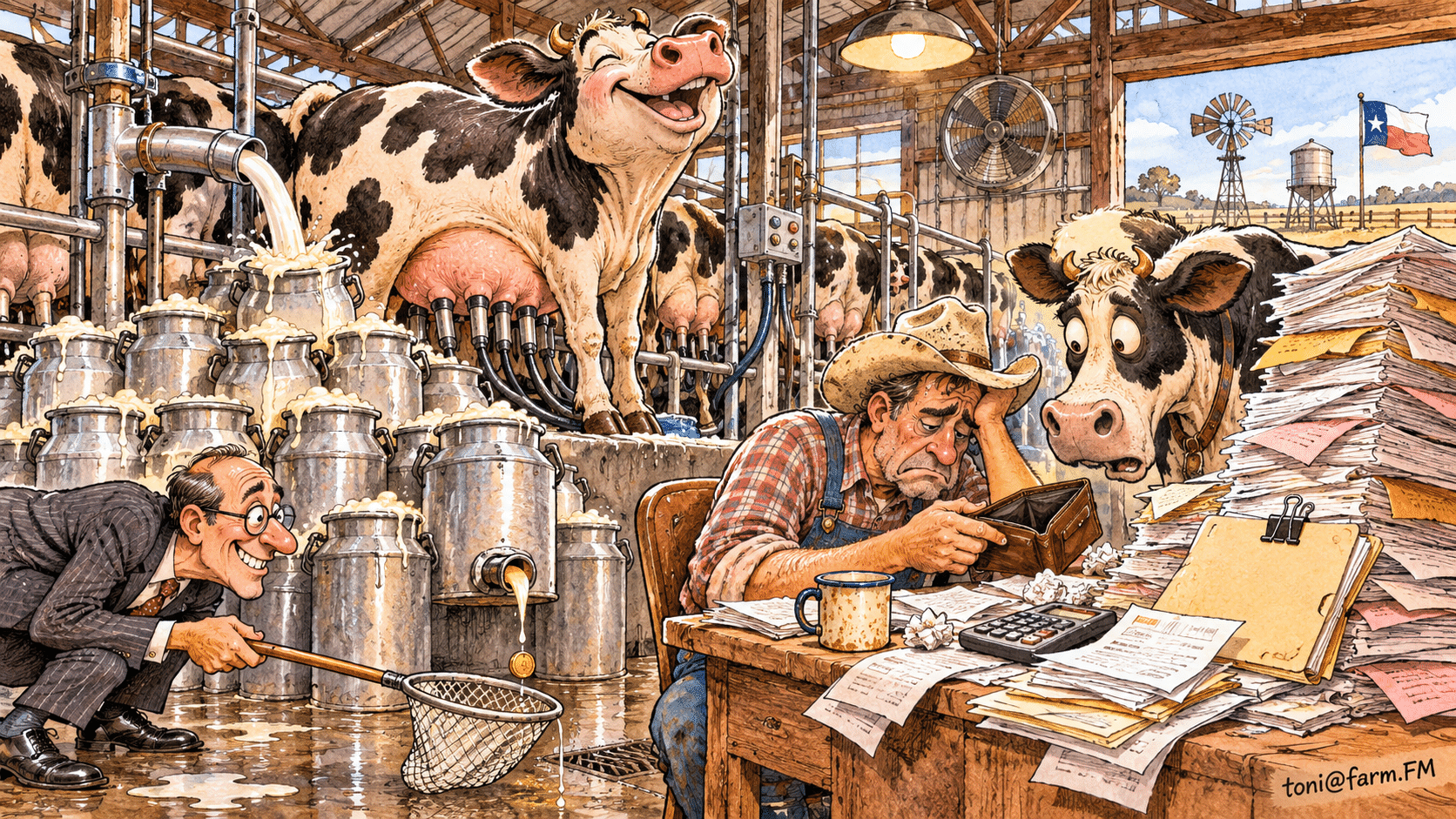
What does a content creator make?
Formats include short videos, blog posts, podcasts, newsletters, recipe pages and photo essays. Topics range from daily life on a dairy to how cheese is made, how to read a milk label or what a vet visit looks like. Creators may work independently, for a brand or for a farm.
Strong creators pick a lane and a voice, and they show up regularly. Quality and honesty beat volume.
A useful starting question is who the content is for. A parent wondering what is in a gallon of milk needs a different piece from a student thinking about dairy careers or a producer looking for equipment ideas. Writing for one person at a time makes posts clearer.
- Video, writing and audio
- Recipes and explainers
- Farm life stories
- Newsletters and communities
Who is it for?
It suits curious people who enjoy learning and teaching. You need patience for editing, comfort with feedback and willingness to ask farm families for permission. Many creators grow up in agriculture, and others are outsiders who learn respectfully. Both can do well.
Be prepared for slow growth. Most audiences take time.
Consistency matters more than perfection. A simple weekly rhythm, such as one video, one article and one newsletter a month, is easier to sustain than a daily schedule you abandon in three weeks.
Skills and training
Learn writing, filming, audio, editing and basic design. Community college media classes, free tutorials and local creator groups help. Texas A&M AgriLife Extension materials offer fact-checked topics to explain, and National Agricultural Library resources help with research. Visit a dairy and learn how milking and cow care work before you explain them.
Fact-checking is a skill. Verify numbers with official sources such as USDA NASS before repeating them.
Sound quality is the most common weakness in farm video. A cheap microphone, a quiet corner and a quick test recording before you start can improve a clip more than a better camera.
- Writing, video and audio basics
- Research and fact-checking
- Editing and publishing routines
Ethics, safety and rules
Treat animals and people with respect. Do not stage scenes that stress cows, do not publish without permission and follow biosecurity rules. Safety guidance at farm safety resources covers the hazards of working around large animals and machinery.
Disclose paid partnerships clearly. Food claims are regulated, so check FDA information before making health statements, and ask a professional about music, images and contracts. This is general education, not legal advice.
Business and money basics
Creators are small businesses. Keep records, set aside money for taxes and ask an accountant what applies. The IRS has information for self-employed people, the SBA offers business counseling and the Texas Comptroller covers state registration questions. Insurance for equipment and liability is worth a conversation with an agent.
Income can come from sponsors, services, subscriptions or product sales, and each comes with rules and risks.
Avoid copying. Use your own images and words, credit sources and check the license on any music or photo. Ask a lawyer when you are unsure, since a small mistake can become a large problem.
A day in the life (an example)
In a hypothetical day, a creator spends the morning filming a calf feeding for a short video, with the herd manager's go-ahead. Midday is logging footage and writing a script. Afternoon is editing, adding captions and scheduling. Evening is replying to viewers and planning the next topic.
Planning and editing take much longer than filming.
Community can be a goal in itself. Readers who learn something from your piece and come back are worth more than a one-time viral clip, and farm families who see you represent them well will invite you back.
Where it leads and first steps
Paths include a personal channel, a staff job with a dairy or brand, freelance production, teaching and speaking. Related roles are on ag media career resources. The Bureau of Labor Statistics offers outlook information for related media jobs.
This month, publish one short piece on a topic you can verify. Browse dairy stories and farm education stories at farm.FM for tone, and a farm.FM story about farm creators.
- Pick one topic and one format
- Publish one fact-checked piece
- Ask a dairy to review it for accuracy
Sources and further reading
- Texas A&M AgriLife Extension: Texas extension service
- National Agricultural Library: agricultural research library
- USDA NASS: agricultural statistics and surveys
- FDA: food and drug safety
- IRS: federal tax guidance
- SBA: small business loans and counseling
Ask locally: Ask a dairy family or an Extension communicator to review a draft for accuracy before you publish it.