Business, Science and Compliance
The Dairy Consultant: Providing Expert Advice
A dairy consultant is an outside expert who helps a dairy solve a specific problem, from nutrition and milk quality to finances, facilities and labor. Here is how the work looks and how to move toward it.
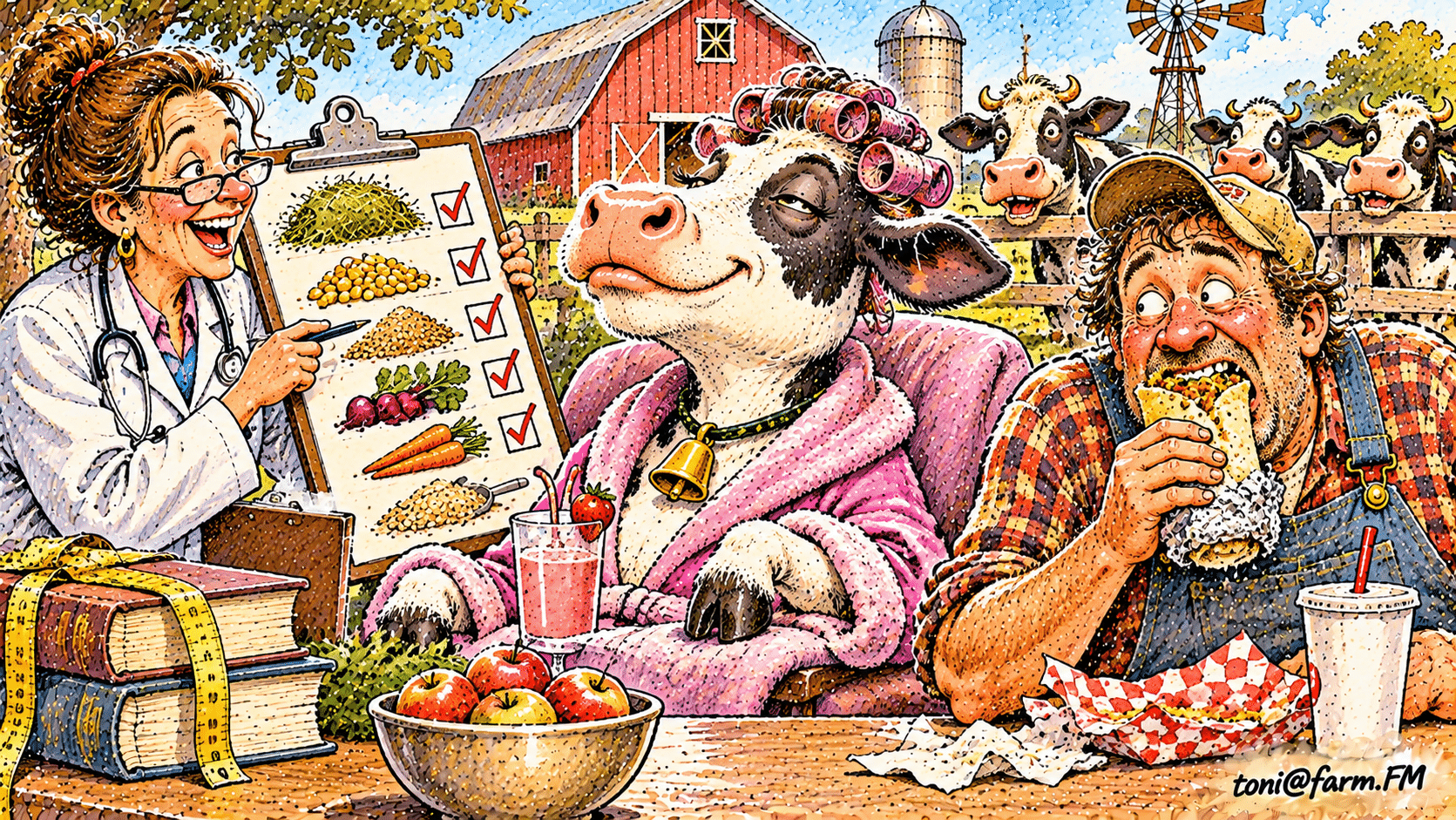
What does a dairy consultant actually do?
Consultants are hired for a defined problem. A producer near Dublin might want a second opinion on feeding costs, a parlor routine that keeps raising somatic cell questions, a barn layout before an expansion, or a plan for training a growing crew. The consultant visits, collects information, compares it to good practice and delivers recommendations the owner can act on.
Most consultants specialize. Nutrition, reproduction, milk quality, facilities, finance, environmental compliance and workforce management are common areas, and some people combine two.
- Site visits and data review
- Written recommendations and follow-up
- Training sessions for owners and staff
Who is this career a good fit for?
It suits people who know one area deeply and can explain it plainly to people who are busy. Independence matters too: consultants manage their own schedules, travel and billing. They also need patience, because advice only works if the dairy can use it.
People arrive from many routes: veterinary practice, feed and equipment companies, extension, lending, lab work and years as a herd or operations manager. Every background can bring value.
A good consultant also knows when to say the problem is outside their field and refer the owner to someone else. That honesty builds more trust than a confident guess, and it keeps the relationship intact for the next job.
How to build the credentials
Credentials depend on the specialty. Nutrition and animal health advice may call for degrees and licensing that you should confirm with the relevant Texas boards, while workforce, safety or business advice can start with experience and short courses. Texas A&M AgriLife Extension programs are a good place to learn and to meet people who already hire consultants.
Industry organizations such as National Milk Producers Federation and Dairy MAX publish material that helps you keep up with what dairies are discussing.
- Deep experience in one specialty
- Degrees or certificates where a specialty requires them
- Extension and industry events to build a network
How consultants find clients and run the business
Most work comes by referral. A first few jobs at a fair price, done well and documented, often turn into the next ten. Writing a short proposal that states the problem, the method, the time and the deliverable protects both sides.
As a business owner you need a plan for taxes, insurance and contracts. The SBA offers counseling and the IRS has guidance for the self-employed, and a Texas attorney can review contracts. Check the Texas Comptroller for state registration questions. This is general education, not legal or tax advice.
Pricing is a question to settle early. Some consultants charge by the day, some by the project and some by retainer, and each has trade-offs. Whatever you choose, write down what is included, how many visits, what reports you will deliver and what happens if the dairy needs more. Clear terms prevent most disputes.
A day in the life (an example)
This is a hypothetical day for a milk quality consultant. Early morning is watching a milking routine and noting what the crew does at each step. Midday is reviewing records and test results with the herd manager. Afternoon is drafting a short report with three priorities and a plan to check again in a month. Evening drive time is used to answer a call from another producer.
The pattern is observing, listening, analyzing and reporting, with a lot of driving across the Texas Panhandle, Central Texas or wherever the clients are.
Keep a notebook of observations from each visit. Patterns across dairies, such as which routine slips on weekends or which record is never filled in, become the raw material for better advice and for teaching sessions later.
How consulting connects to other roles
Consultants work alongside herd managers, veterinarians, lenders, trainers and equipment dealers, and the best ones respect that the owner makes the final call. A comparable look at herd health roles sits at dairy herd management guides, and related career steps are at agricultural careers resources.
The ladder often runs from field technician or specialist to senior consultant to firm owner or industry advisor.
Lenders, feed representatives and veterinarians often hear about problems before anyone else, so a friendly working relationship with them leads to introductions. Treat every client's information as private and never share details without permission.
First steps this month
List the problems you have solved for others. Pick one you could teach. Ask three producers or managers what they would pay an expert to help with. Check Bureau of Labor Statistics occupational pages for general outlook information, and read USDA Economic Research Service material on the dairy sector.
For context, farm.FM has dairy stories and farm economics coverage, plus a farm.FM piece about taking farm advice.
- Define your specialty in one sentence
- Write a one page sample proposal
- Ask for a short informational interview with an established consultant
Sources and further reading
- Texas A&M AgriLife Extension: Texas extension service
- National Milk Producers Federation: dairy cooperatives and policy
- Dairy MAX: dairy promotion in the Southwest
- SBA: small business loans and counseling
- IRS: federal tax guidance
- Texas Comptroller: state tax and economic data
Ask locally: Talk to an Extension dairy specialist, a lender or a veterinarian who works with dairies to learn who local producers trust and why.