Business, Science and Compliance
The Dairy Trade Specialist: Navigating International Markets
Dairy trade specialists help milk and dairy products cross borders. They track rules, tariffs, paperwork and buyer needs so that a Texas product can reach a customer in another country.
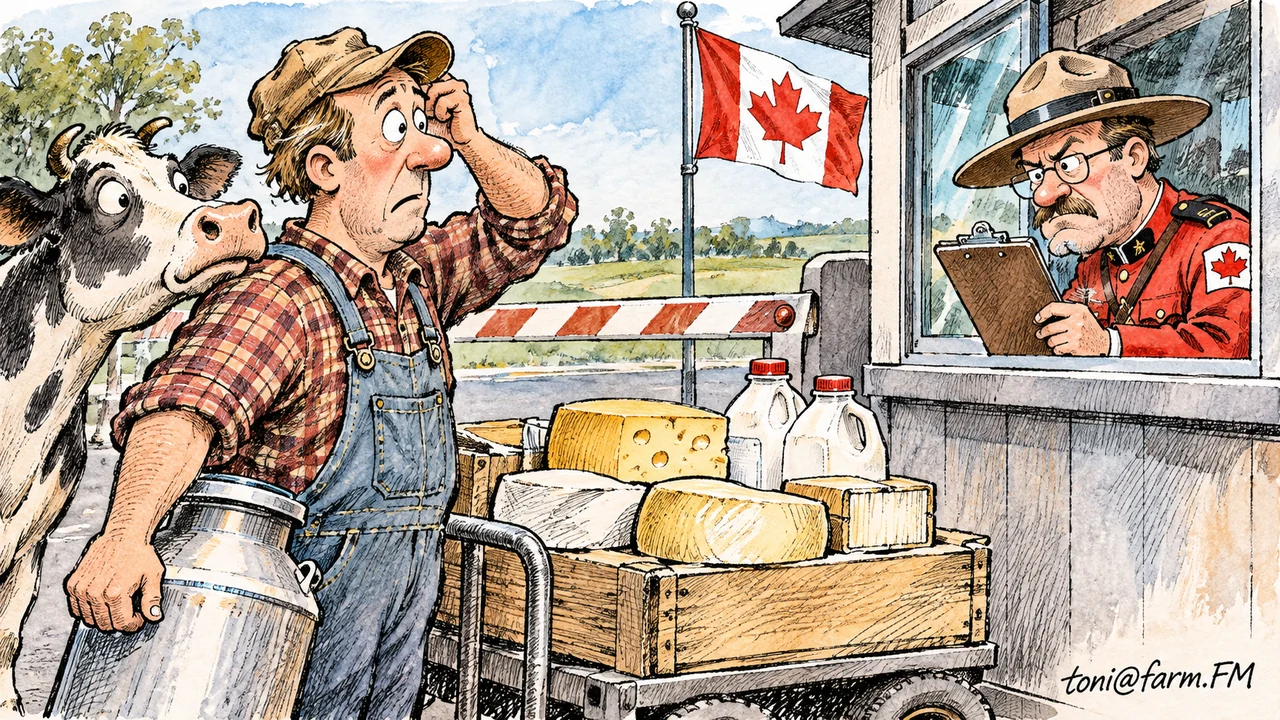
What a trade specialist does day to day
A specialist monitors trade rules, talks with buyers and brokers, coordinates shipping paperwork and keeps an eye on market news. Some work for processors, cooperatives or export groups. Others work for state agencies or consulting firms.
The job is detail heavy. One missing certificate can hold up a shipment, so specialists build checklists, double-check requirements with official sources and keep clear records of every order.
Not every trade role involves travel. Many specialists work from an office or plant, talking with buyers by video and email. Others visit trade shows or customers once in a while. Ask any employer how much travel is expected, and whether the company covers passport and documentation costs, so you can plan realistically.
Who the role suits
This path fits people who like geography, languages, logistics and puzzle solving. Spanish and other languages can be a real advantage, though they are not required for every position. Patience matters, because trade rules change and negotiations take time.
People of every background succeed here. Teams that include members who understand different cultures and business customs often avoid costly misunderstandings. Comfort with spreadsheets and time zones helps more than any title.
A quick self-check: can you explain a rule you do not love without sounding like you made it? Trade work involves relaying other governments' requirements to colleagues and customers, and the people who do it well stay neutral and helpful rather than taking every change personally.
- Attention to detail and deadlines
- Comfort with international contacts
- Interest in logistics and cold chain
- Clear written communication
Training routes in Texas
Degrees in international business, agribusiness, supply chain or economics are common. Community colleges offer logistics and business courses, and some universities have export programs. Entry roles include logistics coordinator, customer service for exports or assistant in a trade office.
Learn the vocabulary from official sources: USDA Foreign Agricultural Service, the U.S. Dairy Export Council, the International Trade Administration and U.S. Customs and Border Protection. For the state view, Texas Department of Agriculture shares information on selling products beyond Texas.
A hypothetical shipment, as an example
Imagine a processor wants to send a pallet of dairy product to a buyer abroad. The specialist confirms the destination's import requirements with official sources, arranges proper refrigerated transport, prepares documentation and keeps the buyer informed.
If a rule changes midweek, the specialist checks the current requirement with the agency instead of relying on memory. Over at farm.FM there is no shortage of dairy chatter, though none of it replaces an official import checklist.
Cold chain details deserve their own checklist: temperature records, packaging, pickup windows and what happens if a truck is delayed. A reliable specialist writes these down before the first order and updates them after every problem.
Risks and the compliance side
Trade rules involve tariffs, quotas, labeling, food safety and sanctions. Do not assume what applies today, because details change. Use the International Trade Commission and the Trade Representative for official information, and consult a licensed customs broker or trade attorney for your shipment.
Currency swings, shipping delays and political events can all affect orders. Good specialists keep backup plans and talk with finance staff early.
Where the career leads and how to find openings
A common ladder moves from coordinator to specialist, then to export manager or director of international sales. Some go into consulting or government trade promotion. Check Texas Workforce Commission listings and BLS occupational information for current outlook rather than quoting pay from memory.
Look at how dairy industry basics and agricultural career guides describe related roles, and consider an internship with a regional trade or port-related employer.
If you are changing careers, your existing skills may transfer more than you think. Dispatchers, bookkeepers, plant staff and customer service reps already understand deadlines and paperwork, which are half of trade work.
First steps this month
Start by learning the vocabulary and the flow of paperwork. You do not need a plane ticket to begin.
Skim the weekly market reports, then read a farm.FM piece on dairy exports for a less formal take. Browse farm.FM agribusiness and the dairy section for context.
- Read one export guide from an official agency
- Learn the basic shipping and cold chain terms
- Ask a logistics coordinator about their week
- Take a free online language or business course
Sources and further reading
- USDA Foreign Agricultural Service: export markets and trade data
- U.S. Dairy Export Council: dairy exports
- International Trade Administration: export help for U.S. businesses
- U.S. Customs and Border Protection: import and export rules
- U.S. International Trade Commission: tariff and trade data
- Texas Workforce Commission: employment and labor programs
Ask locally: Ask a licensed customs broker or your regional export office about current requirements before any shipment.