Business, Science and Compliance
The Dairy Standards Specialist: Ensuring Compliance
Standards specialists make sure a dairy or plant follows the rules that keep milk safe and the business in good standing. They read regulations, build checklists and train people to follow them.
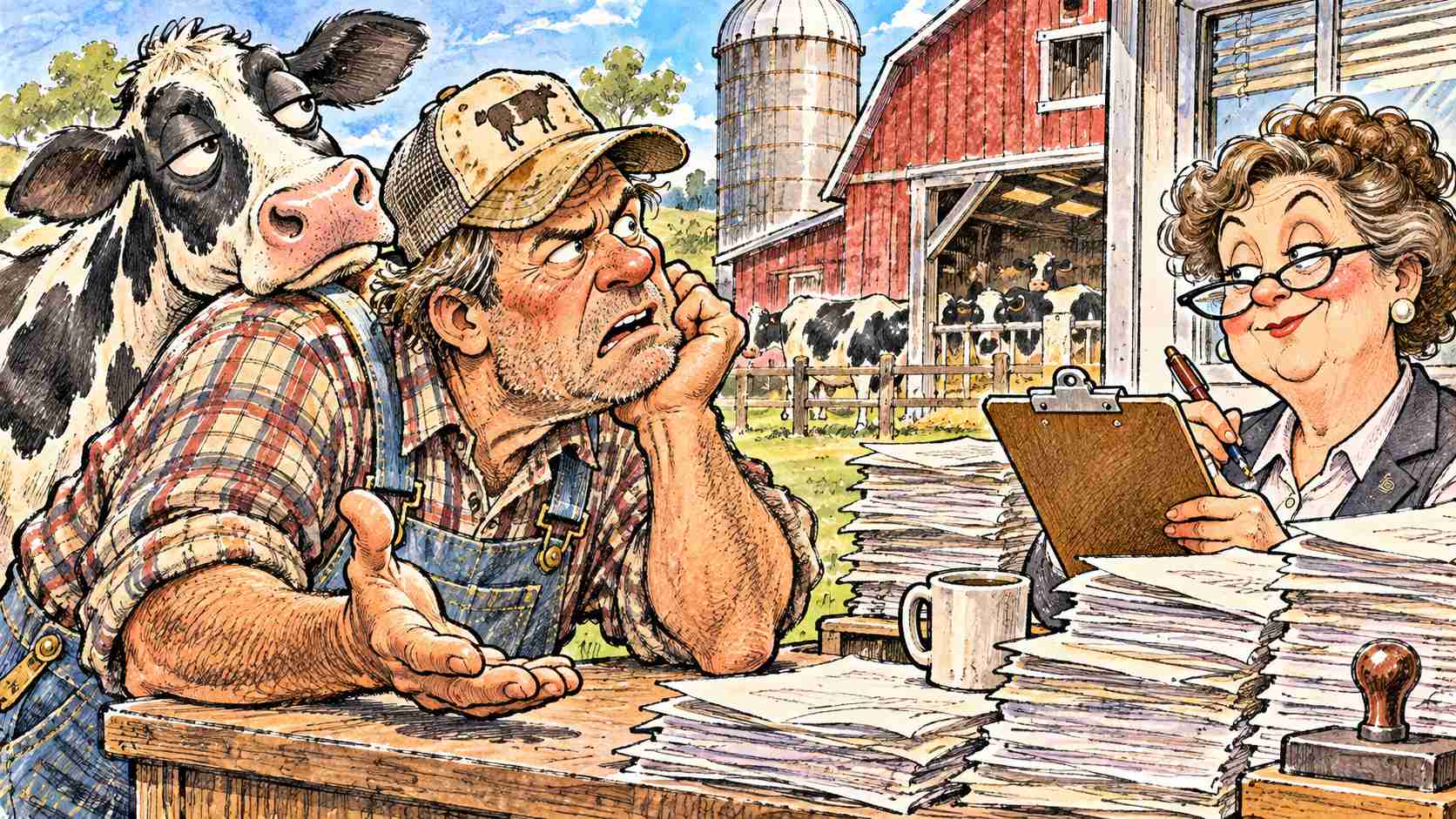
What a standards specialist does
The specialist tracks requirements from state and federal agencies, buyers and industry programs, then turns them into daily procedures. That might mean writing a cleaning log, updating a training sheet or preparing the farm or plant for an inspection.
Much of the work is documentation. If an inspector asks what happened last Tuesday, the answer should be in a record that anyone can find in a minute.
A standards specialist on a small farm may also milk, feed or manage records, while one at a large plant might focus only on compliance. Ask a prospective employer how the role is split, who they report to and how much authority they have to stop a task that looks unsafe. The answers say a lot about the culture.
Who it suits
This role fits careful, curious people who like making systems work. You will explain rules to people who may not enjoy them, so clear, respectful communication matters more than a stern tone. Experience in milking, processing or lab work gives helpful credibility.
People of every background and language do this well. A specialist who offers training in the languages the crew speaks, and checks that everyone understands, prevents more problems than any binder.
Interest in teaching matters as much as interest in rules. You will often be the one who stands in a break room at a shift change and explains a new procedure in two minutes. If you like helping people understand why something matters, and can do it without talking down, you are well suited.
- Reading and summarizing regulations
- Training adults in plain words
- Accurate, timely records
- Calm during inspections
Training routes in Texas
Education paths vary: food science, animal science, agribusiness or a community college program with on-the-job training. Many specialists start as milkers, lab techs or plant operators who show an aptitude for paperwork and training.
Official sources to learn from include the FDA, Texas Department of Agriculture and Texas Animal Health Commission. For workplace requirements, see OSHA and TCEQ for environmental topics. AgriLife Extension offers educational programs worth checking.
Do not overlook soft skills. Training sessions go better when the specialist asks questions rather than lectures, uses real examples from the building and gives people a chance to practice. If someone keeps getting a step wrong, the procedure or the training may need to change, not the person.
A hypothetical day, as an example
The specialist begins by reviewing yesterday's logs for gaps. Mid-morning they walk the facility with a supervisor and note a worn hose that needs replacing. After lunch they run a short training on a new procedure and ask questions to confirm understanding.
The afternoon goes to updating a procedure after a buyer sends new requirements. The day looks routine until something goes wrong, which is why routine matters. A dash of dairy humor from farm.FM at the break table helps morale when the audit calendar fills up.
Notice that the specialist does not carry the compliance burden alone. Milkers, mechanics, drivers and office staff all touch the rules in their own tasks. The specialist's job is to make each person's part clear, easy and recorded, and to thank the crew when it works.
Common mistakes and how to avoid them
Frequent problems include records filled out at the end of the week, procedures that exist on paper but not on the floor and training that happens once and never repeats. Good specialists audit themselves first and invite honest feedback from crew members.
Never guess about requirements. Ask the agency or your buyer, and write down the answer with a date. For wider farm safety ideas, see farm safety guidance, and for dairy practices read dairy herd and parlor basics.
A good rule of thumb is to make the right way the easy way. If workers skip a step because the sink is far away or the form is confusing, move the sink or simplify the form. Standards stick when they fit the work as it is actually done.
Where it leads and first steps
The ladder often runs from technician to specialist, compliance manager and quality director. Some become consultants or auditors. Search openings through the Texas Workforce Commission and check BLS occupational data for outlook.
This month, pick one procedure at your workplace and ask how it is documented. Enjoy a farm.FM story on inspections and browse farm.FM dairy and education stories.
When you move up, expect more meetings, budgets and conversations with buyers and agencies. Some specialists prefer to stay close to the floor, and many organizations value that choice. Ask a mentor which direction fits your strengths before you chase a title.
- Write a simple checklist for one task
- Ask a supervisor to explain a recent inspection
- Take a free online food safety or OSHA course
- Practice explaining a rule in plain words
Sources and further reading
- FDA: food and drug safety
- Texas Department of Agriculture: state agriculture agency
- Texas Animal Health Commission: animal disease rules
- OSHA: workplace safety
- TCEQ: Texas environmental regulator
- Texas Workforce Commission: employment and labor programs
Ask locally: Ask your buyer or the relevant state agency for the current requirements, and a plant quality manager how they train new hires.