Business, Science and Compliance
The Dairy Auditor: Verifying Practices
A dairy auditor visits farms and plants to check whether practices match a written standard. The job takes sharp observation, fairness and a friendly manner.
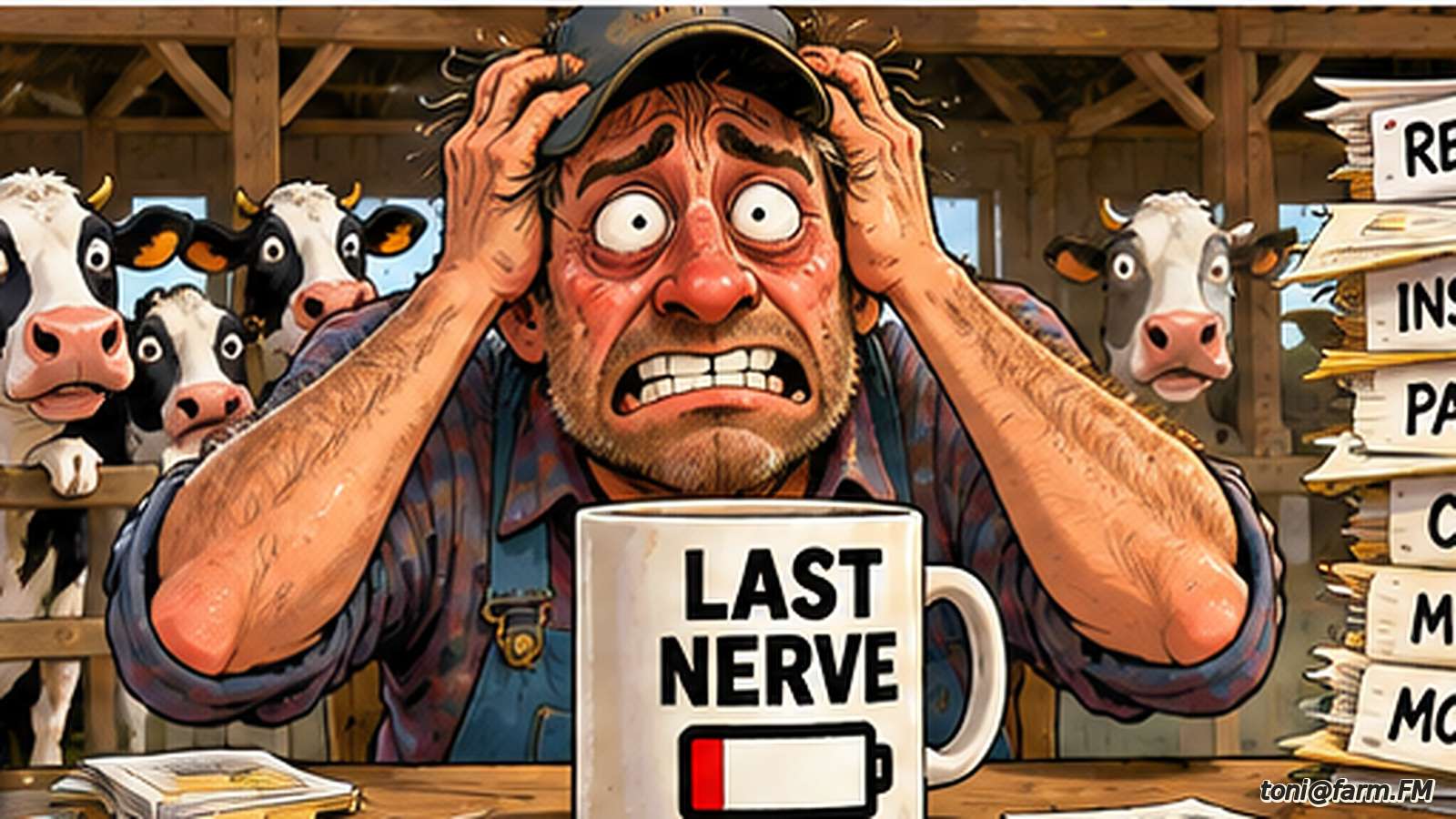
What auditors do
Auditors review records, observe procedures, interview staff and compare what they see to a standard. They write a report noting what meets the standard and what needs correction. They may work for certifying bodies, buyers, cooperatives or government agencies.
Good auditors do not hunt for gotchas. They explain what they found, why it matters and what evidence would resolve it. Farms are more likely to improve when the process feels fair.
Plenty of auditors also keep working part time on a farm or in a plant while they train, which keeps their sense of real conditions fresh. If you are not ready to travel, ask about internal auditor roles, where you check your own employer's practices and report to management.
Who it suits
This role suits people who notice details, stay neutral and can talk with anyone from a new hire to an owner. Dairy experience is highly valued, since you need to recognize real practice when you see it. Travel is common, so ask about schedule and time away.
People of every background become auditors. Being able to communicate in more than one language can make audits calmer and more accurate, because staff can explain what they do in their own words.
Many people ask whether they need to be an expert in everything. You do not. Auditors specialize, such as animal care, food safety or environmental practice, and learn the standard they serve in depth. Start with the area you know best and expand as you gain confidence and training.
- Careful note taking
- Even-handed judgment
- Willingness to travel
- Respect for confidentiality
Training routes in Texas
Auditors often come from farm, plant, lab or quality roles, with additional training from the program they serve. Degrees in food science, animal science or agribusiness help, but experience counts. Ask each certifying body what training and credentials it requires, since they vary.
Learn the standards and agencies involved. Useful places include USDA, the FDA, USDA APHIS and Texas Animal Health Commission. Also see AgriLife Extension for educational events.
Preparation shapes the quality of a report. Before a visit, good auditors read the standard, review prior findings and make a short list of questions. During the visit they ask open questions, such as how a task is done, and avoid leading the witness. Afterward, they write in plain, factual language.
A hypothetical farm visit, as an example
Imagine an auditor arrives for a scheduled visit. They begin with an opening meeting to explain the plan, tour the facility, review records and talk with several employees. They take photos where allowed and note questions for the manager.
At the closing meeting, the auditor reviews findings without surprises. The farm gets time to respond and plan fixes. Over at farm.FM the dairy satire sometimes pokes fun at clipboards, and good auditors take it in stride.
A good report separates what was observed, what was said and what the record shows. If a manager says a procedure is done weekly but the log shows gaps, record both and describe the difference neutrally. Readers will trust the report because it does not overstate or understate.
Ethics, safety and independence
Auditors must avoid conflicts of interest and keep information private. If you audit a farm owned by a friend, disclose it and let someone else take the visit. Follow every site's biosecurity and safety rules, and review OSHA basics before visiting plants.
Biosecurity matters on dairies. Wear what the farm asks, clean boots and equipment and ask about disease precautions. For safety context see farm safety resources, and for farm background read dairy herd management basics.
If you are the one being audited, treat the visitor as a colleague with a particular job. Offer water, show them around and answer honestly, including when you are unsure. Auditors remember who was straightforward, and that reputation helps every farm in the neighborhood.
Where it leads and first steps
Careers often run from technician or quality staff to junior auditor, lead auditor and program manager. Some move into training or consulting. Search openings via the Texas Workforce Commission and check BLS occupational outlook.
This month, ask a quality manager if you can observe an internal audit, read one public standard and practice writing a short, factual observation. Enjoy a farm.FM story about an auditor visit, then browse farm.FM dairy and farm satire.
Lifestyle is worth considering honestly. Early mornings, long drives, farm odors and varied weather come with the work, and travel may keep you away from family at times. Many auditors say the variety and the chance to see excellent farms up close make it worthwhile.
- Shadow an internal audit
- Write three factual observations from a farm or plant visit
- Learn one standard's main sections
- Ask an auditor how they got started
Sources and further reading
- USDA: U.S. Department of Agriculture
- FDA: food and drug safety
- USDA APHIS: animal and plant health
- Texas Animal Health Commission: animal disease rules
- OSHA: workplace safety
- Texas Workforce Commission: employment and labor programs
Ask locally: Ask a quality manager or certifying body what training they require before you audit, and a nearby dairy about their audit experience.