Business, Science and Compliance
The Dairy Insurance Agent: Managing Risk
A dairy faces fire, storms, equipment failure, liability claims, illness and price swings. The insurance agent helps owners understand which risks to cover, which to manage and which to accept.
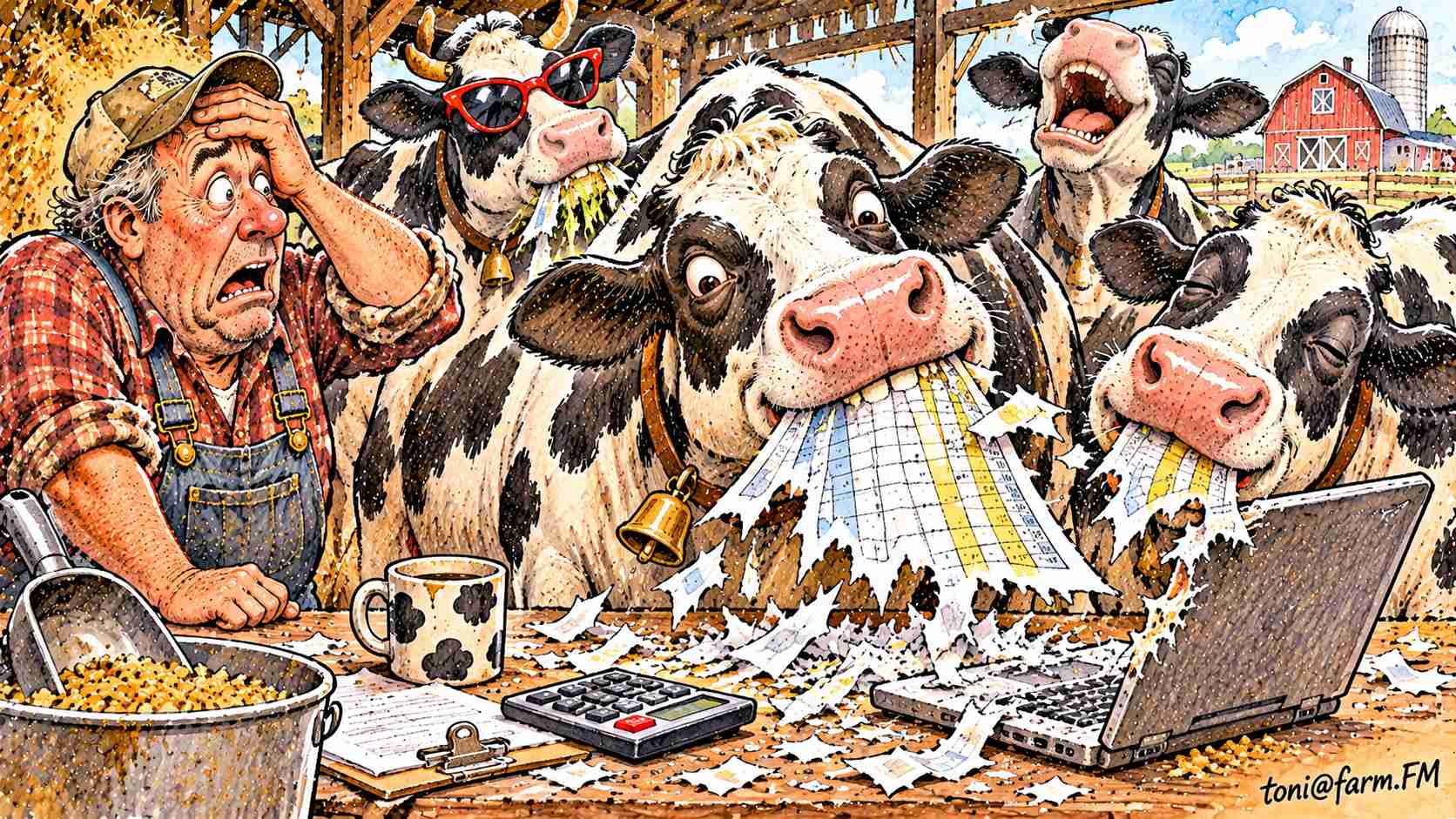
What does a dairy insurance agent do?
Agents review a farm's operations, explain coverage options, shop policies and help with claims. Coverage topics can include property, equipment, liability, workers' compensation, vehicles, livestock and business interruption. Some agents also help with federal programs such as USDA Risk Management Agency offerings and dairy margin protection.
Terms change often. Anyone buying or selling coverage should read the policy and verify details with the carrier and a licensed professional. This page is general education, not insurance advice.
A useful way to think about coverage is by layers: what you can absorb yourself, what you transfer to an insurer and what you reduce through safety and maintenance. An agent who walks through those layers with a family often helps them spot gaps before a claim does.
What does a day look like?
Hypothetical example: an agent begins by returning calls about a hail-damaged roof. A mid-morning visit to a dairy covers questions about a new barn, who drives the farm's trucks and whether the policy matches the actual operation. In the afternoon the agent prepares a renewal comparison and reviews a claim file with the adjuster.
The job requires patience, organization and explanations that people can actually use.
Seasons shape the schedule. Renewal time, storm season and year-end planning all bring spikes in work, and agents who check in with clients before problems arrive tend to keep them for decades.
How do you get licensed and trained?
Insurance agents in Texas must be licensed through the state, and requirements and exams are set by the Texas Department of Insurance. Training often comes through insurance agencies, carriers and continuing education. Farm knowledge is a major advantage, and Texas A&M AgriLife Extension programs on farm risk management can help.
Texas has its own rules on workers' compensation, including that employers may choose whether to carry coverage. Confirm current rules and options with the Texas Department of Insurance.
Hypothetical example: a customer service representative at an insurance agency who grew up near a dairy studies for the state exam, learns commercial farm policies under an experienced agent and later builds a book of farm clients. Local credibility opens many doors in this business.
Who does this job suit?
People who like explaining things, who are careful with details and who enjoy building long relationships. Rural agents often know several generations of a family. Trust is the whole business, so honest advice, even when it means selling less, builds a reputation.
People of any background can succeed; local knowledge and reliability matter.
Ask any prospective agent how they get paid and who they represent. Understanding whether an agent works for one carrier or many helps a farm weigh advice.
- Organized and thorough
- Clear communicator
- Comfortable with regulation
- Patient in claims
How does it connect to other roles?
Agents work with owners, accountants, lenders who require coverage, safety managers and the mechanics who maintain equipment. Good safety practices can reduce claims and conversations, so agents sometimes encourage training. See OSHA and the farm safety guide.
The Dairy Margin Coverage program page explains one federal risk tool, and agents may help clients understand how it fits with other planning.
Documentation helps on both sides of a claim. Photos of equipment, inventories of livestock and records of repairs all make life easier after a storm or fire, and agents often suggest keeping a simple digital folder.
What are the realities and career steps?
Claims can be stressful moments in a family's life, so empathy matters. Steps may lead to agency ownership, specialization in farm or commercial lines, claims roles or underwriting. For outlook, see the Bureau of Labor Statistics. For satire on farm paperwork, try farm.FM satire.
Check listings with the Texas Workforce Commission.
Agents also have to explain limits. Exclusions and deductibles are not exciting topics, but a plain conversation about them beats a surprise during a bad week.
What can you do this month?
Read about farm risk management. Talk to a local agent about licensing steps. Review an example policy summary to learn vocabulary. Ask a dairy owner what risks keep them awake.
A farm.FM story on risk and insurance may help. For more barn-side reading, browse the dairy stories at farm.FM. For more background, see job-hunting tips for farm work.
- Learn common coverage terms
- Look up the state licensing process
- Shadow an agent for a morning
- Study dairy risk topics
Sources and further reading
- Texas Department of Insurance, Workers Compensation: Texas workers comp information
- USDA Risk Management Agency: crop insurance
- Dairy Margin Coverage: FSA Dairy Margin Coverage program
- OSHA: workplace safety
- Texas A&M AgriLife Extension: Texas extension service
- Bureau of Labor Statistics: labor and price data
Ask locally: A licensed Texas insurance agent who works with farms and the Texas Department of Insurance can explain coverage and licensing.