Business, Science and Compliance
The Dairy Inspector: Ensuring Quality and Safety
Milk goes from a Texas farm to a family table. Inspectors are the people who check that each step along the way meets the rules written to protect that trip.
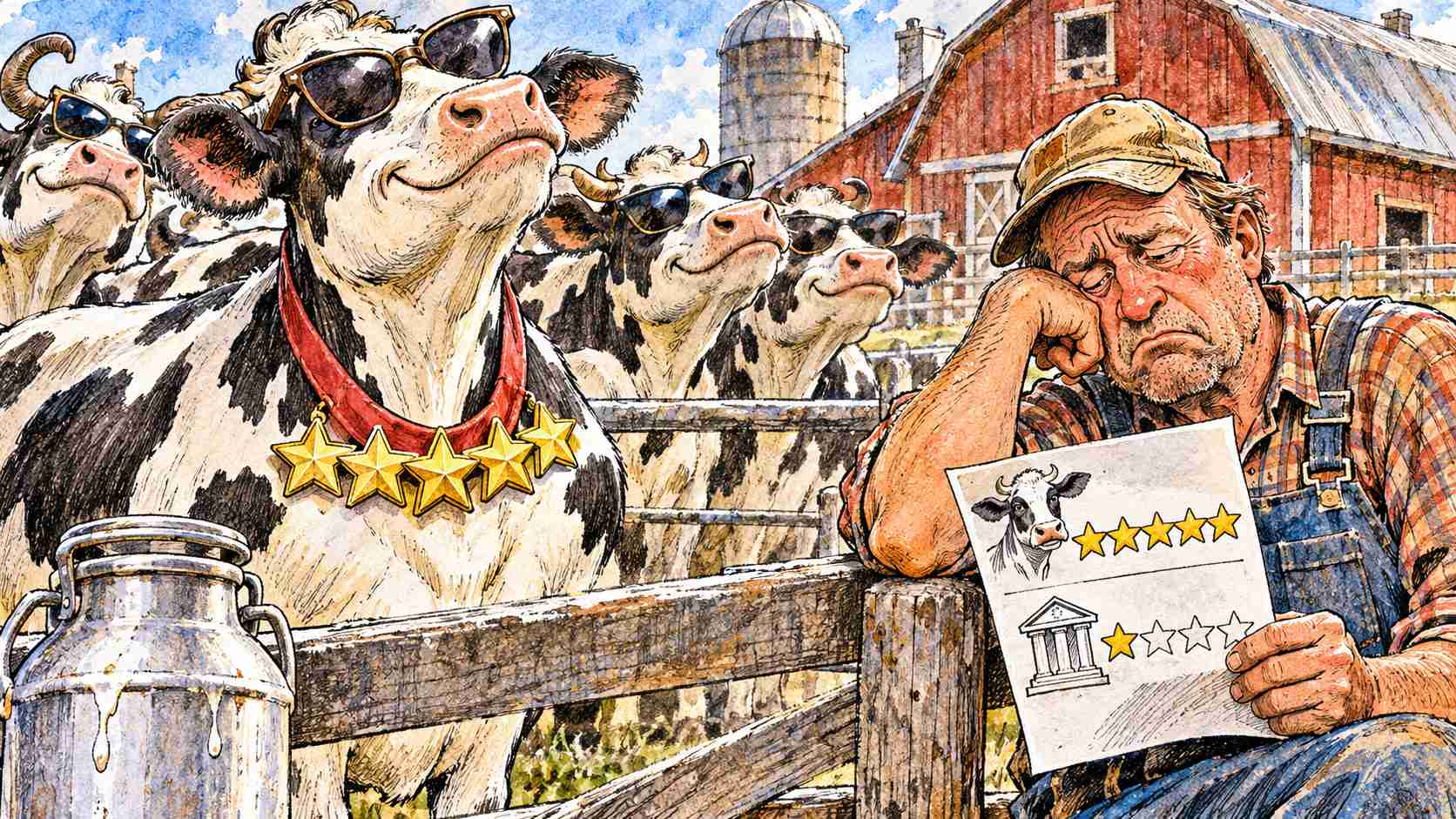
What does a dairy inspector do?
Inspectors visit farms, plants and processors to evaluate sanitation, equipment, records and procedures against regulations. They may collect samples, review labeling, follow up on complaints and document findings. Employers can include state agencies, federal agencies and local health departments.
Who inspects what depends on the facility and the product. Check the Texas Department of Agriculture, the FDA and local authorities for current roles and rules. This article describes the work in general terms.
The goal is prevention, not punishment. A sound inspection culture helps producers find and fix problems before milk reaches the public, and a good inspector explains why a requirement exists so the fix sticks after they leave.
What does a day look like?
Hypothetical example: an inspector reviews a facility's records, walks the milk house and checks cooling and sanitation. They talk with staff about corrective steps and write a report. Some days involve travel between sites, and others involve office work, follow-ups and training sessions.
Fairness, consistency and clear writing matter. A good inspector explains what a rule is meant to protect.
Hypothetical example: during a routine visit, an inspector notices that a cooling record has gaps on weekends. Instead of simply writing it up, they ask who is responsible on those days and discover the task was never assigned. The corrective step is a clear assignment, not a lecture.
What training and credentials help?
Backgrounds often include food science, dairy science, public health, microbiology or agriculture. Agencies provide training and may require certification or testing, so check current postings for requirements. Texas A&M AgriLife Extension and Dairy MAX offer educational resources on milk quality.
Federal safety information is available at FDA page and USDA FSIS where relevant. Look at state and federal job postings, including those at the Texas Workforce Commission.
If you are drawn to this career, volunteer for food safety or sanitation roles on a farm or in a plant first. Practical experience with cleaning, record keeping and corrective action gives you credibility in interviews.
Who does the job suit?
People who are meticulous, fair, comfortable with rules and able to talk plainly with people who may be nervous. Inspectors need integrity, since decisions affect livelihoods and public health. Respect for farm and plant staff makes compliance easier to achieve.
People of all backgrounds can build regulatory careers.
Documentation habits matter. Every observation should be recorded clearly, with enough detail that another person could understand it a year later. Inspectors who write well protect both the public and the producer.
- Detail oriented
- Calm in tense moments
- Strong writer
- Fair and consistent
How does it connect to other roles?
Inspectors interact with owners, quality staff, plant managers, graders, veterinarians and sometimes lawyers. Farms that prepare well often involve the crew in sanitation routines. The dairy herd care guide and farm safety guide cover related basics.
For milk graders and testing, see the related profile on this site.
Collaboration with quality staff helps both sides. Inspectors who understand how a plant schedules cleaning and producers who understand why a rule exists make visits shorter and calmer.
What are the realities and career steps?
Inspection involves travel, early starts and occasional conflict. Safety on site matters, including wet floors, chemicals and machinery; see OSHA. Career steps lead to senior inspector, supervisor, policy or training roles. For outlook, check the Bureau of Labor Statistics. For a lighter take on regulation, visit farm.FM satire.
Ethics and independence are non-negotiable.
Producers who want to prepare for inspections can keep a simple binder of sanitation logs, calibration records, cleaning schedules and training sign-ins. Ask the relevant agency what it expects to see, and check those expectations periodically.
What can you do this month?
Read about milk safety basics. Look at state and federal job postings for inspector roles. Ask a dairy about their quality program. A farm.FM story on milk safety can give some context.
Take a food safety course if one is available locally. For more barn-side reading, browse the dairy stories at farm.FM.
- Study basic sanitation principles
- Look at current postings
- Talk to a quality manager
- Learn how milk is tested
Sources and further reading
- Texas Department of Agriculture: state agriculture agency
- FDA: food and drug safety
- USDA FSIS: meat, poultry and egg product safety
- Texas A&M AgriLife Extension: Texas extension service
- Dairy MAX: dairy promotion in the Southwest
- OSHA: workplace safety
Ask locally: The Texas Department of Agriculture and your local health authority can explain who inspects what and how to apply.