Meal and Rest Break Pay Rules
A milking shift does not pause neatly for lunch. Cows need to be milked on time, so breaks on a dairy have to be planned. Whether a break is paid or unpaid depends on how it works in practice.
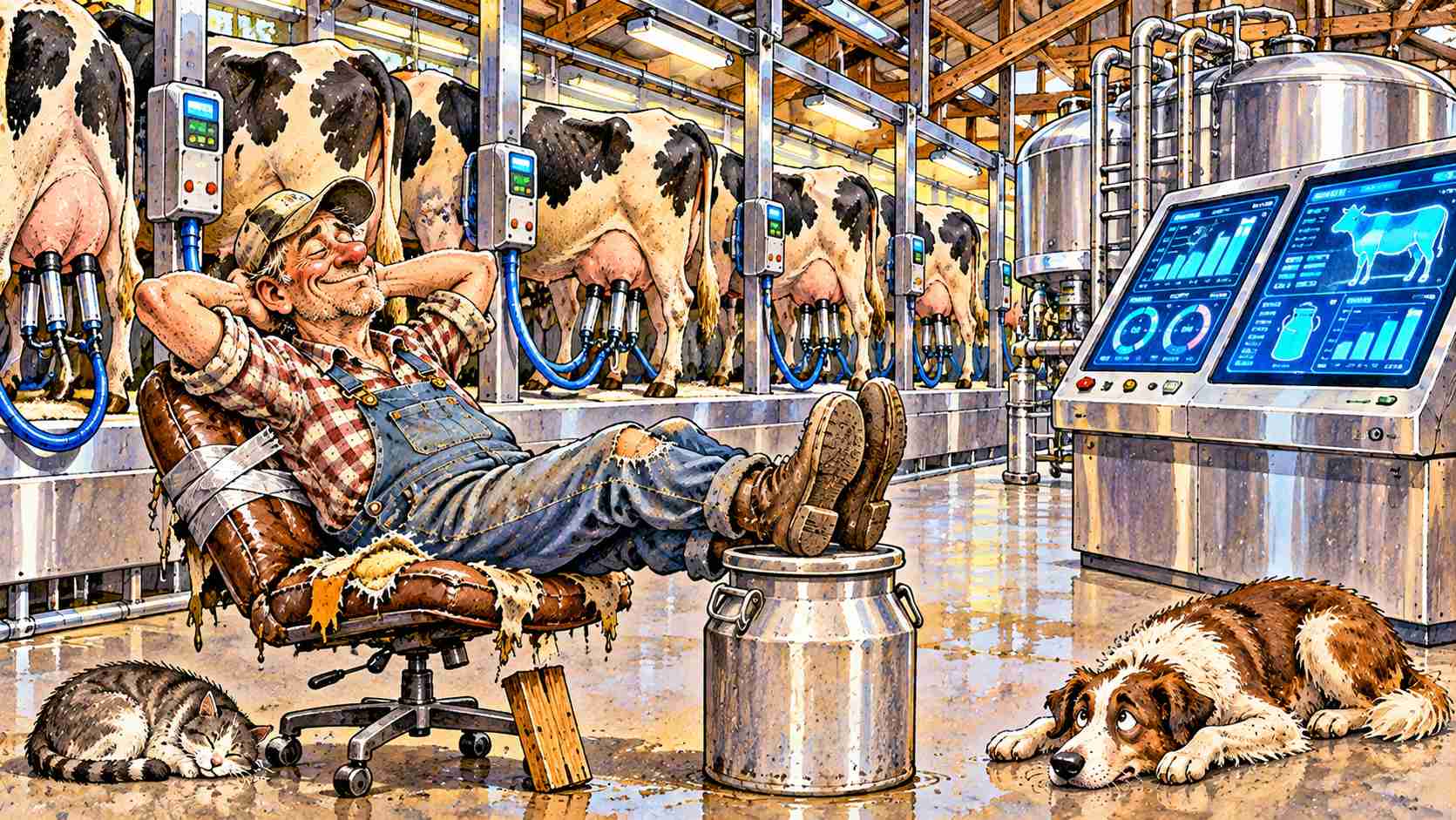
Are breaks required on a dairy?
Federal law does not generally require employers to give meal or rest breaks to adult workers, though some states do, and employers may have their own policy. Texas has its own approach, so confirm the current situation before assuming anything. The Wage and Hour Division explains how breaks are treated for pay purposes.
The key point is that if a farm gives a break, how it is paid depends on its length and whether the worker is truly free of duties. This article is general education, not legal advice.
When is a break paid?
Short rest breaks are commonly treated as paid time, while longer meal periods can be unpaid only if the worker is fully relieved from duty. If a milker eats lunch while watching the parlor or answering the radio, that time is likely to look like work.
Check the current federal guidance at the Department of Labor and ask the Texas Workforce Commission about state-level questions. When a farm's practice does not match the rule, fix the practice, not the paperwork.
- Is the worker free to leave the work area?
- Can the worker be called back?
- Is the break long enough to be a real meal?
- Is the break time recorded the same way every day?
How do breaks work around cow flow?
Cows are on a schedule, and a gap in the milking line costs time and can affect cow comfort and milk quality. Many dairies stagger breaks so that one worker steps away while others keep the line moving. That works well when the supervisor writes the rotation down.
Plan breaks as part of the schedule, not as an afterthought. The herd routines at this dairy farm page help explain why timing matters so much in the parlor.
What about heat and cold?
Breaks are also a safety tool. In the Texas summer, regular water and shade breaks help prevent heat illness, and in cold snaps a warm space helps too. The OSHA site has heat safety guidance, and the National Weather Service publishes heat alerts that supervisors can watch.
Workers should speak up early if they feel dizzy, confused or unusually tired. Supervisors should treat these reports seriously, and farm safety ideas at this farm safety guide can help build a plan.
A hypothetical break plan
This is an example, not a real farm. A dairy with a six-person parlor crew posts a break plan: two workers step away at a time during a set window, one covers the pit and one covers cow flow, and the supervisor logs who stepped out and for how long.
Workers know when to expect a break and can plan to eat or rest. The log shows that breaks were offered and that paid and unpaid time was consistent. When the rule changes, the farm updates the plan and tells the crew.
Questions for a small farm versus a large dairy, and for your supervisor
A small dairy with a few employees can often arrange breaks informally, but should still write down what the practice is. A large dairy with several shifts needs a posted plan, relief coverage and a supervisor who tracks it. Both should ask what happens on days when a cow health issue or equipment breakdown disrupts the plan.
The hiring and retention ideas at this agricultural careers resource point out that predictable breaks and schedules are among the things workers value. For a satirical take on the break room, see the farm satire page at farm.FM.
Employers should also remember that language matters. Post the break rules in the languages your crew uses, and confirm that everyone understands them. A rule nobody can read does not protect anyone.
Bring these questions to your first week: When are breaks, and how long? Are they paid? Who covers my spot? Where can I get water and shade? What do I do if I need a break outside the plan? Write down the answers and ask for them in writing if the plan is not posted.
If you are an owner, answer the same questions yourself and see whether the crew would give the same answers. If not, that gap is where trouble starts.
What should employees do if breaks are skipped?
Start by asking the supervisor to look at the schedule. Keep a record of days when breaks were skipped and why. Most of the time, the fix is a better rotation or an extra relief worker.
If a problem continues, the agencies above can explain options, and the Texas Payday Law page covers unpaid wages. For a laugh during a break, farm.FM has a jokes page, a dairy section, and a farm.FM story about lunch on the job.
Sources and further reading
- DOL Wage and Hour Division: federal wage and overtime rules
- U.S. Department of Labor: labor rules and programs
- Texas Workforce Commission: employment and labor programs
- Texas Payday Law (TWC): Texas wage claims
- OSHA: workplace safety
- National Weather Service: forecasts and warnings
Ask locally: Ask the Wage and Hour Division, TWC or a Texas employment attorney about break pay, and your supervisor how the rotation works.