NLRB Basics for Dairy Employers
Dairy owners sometimes hear the letters NLRB and are not sure whether they matter on a farm. The answer depends on the farm's operations, so the first step is learning what the agency does.
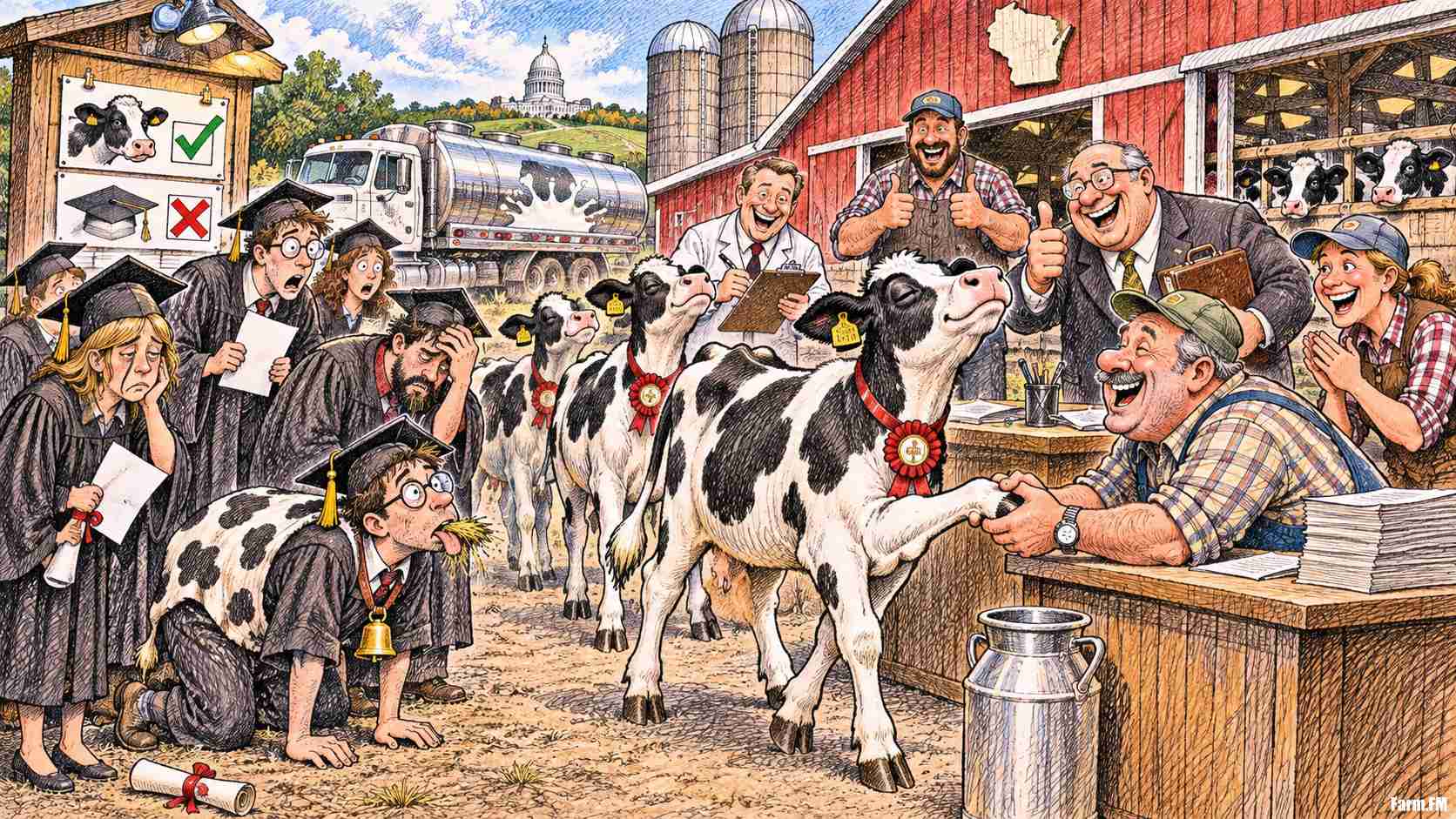
What does the NLRB do?
The National Labor Relations Board is a federal agency that enforces the National Labor Relations Act for much of the private sector. It handles elections in which workers vote on representation and investigates complaints about unfair labor practices.
Whether it covers a particular dairy depends on the facts. Agricultural laborers have historically been excluded from the Act's definition of employee, but farms often have other operations, such as processing, trucking or retail, that raise different questions. Check the NLRB site and consult an attorney for your farm. This is not legal advice.
Why should an employer still know the basics?
Even where coverage is unclear, knowing the basics helps owners respond calmly if workers raise concerns about organizing or if an agency contact arrives. It also guides everyday supervision so that no one accidentally acts unlawfully.
Many employers find it helpful to train supervisors on respectful communication and on when to bring in the owner or an attorney.
Dairies also vary in size. A family farm with three employees and a large operation with several crews will need different levels of formality, but both benefit from writing policies down.
What conduct is generally risky for employers?
Labor law in covered workplaces generally limits actions such as threatening, interrogating, surveilling or retaliating against workers for protected activity. Employers who are not sure whether a rule applies should ask an attorney before acting.
This article does not give any strategy for resisting organizing and does not advise any side. It stresses lawful, respectful and consistent treatment of all workers.
- Do not threaten or retaliate over workplace concerns
- Do not ask supervisors to improvise a legal response
- Keep discipline records consistent and fair
- Send any formal notice or filing to an attorney
A hypothetical example
This is an example, not a real case. A worker on a dairy hands the owner a letter signed by several coworkers asking about pay and schedules. The owner thanks them, says the farm will review the letter and calls an attorney to understand which rules apply.
The owner then holds a meeting to listen to concerns, writes down what was raised and responds in writing. Whatever the legal status, the farm handles the matter respectfully and keeps records.
Owners should also think about their own training. A short session with an attorney or an agency webinar can clarify which rules matter before a crisis, not during one.
What other agencies might matter?
The Department of Labor covers wage and safety rules, and the OSHA site covers workplace hazards. The EEOC covers discrimination and harassment. The Texas Workforce Commission covers state employment resources. A concern that looks like a labor relations issue may actually fall under one of these.
Employers can find general management ideas at this farm employment guide and operational habits at this dairy farm guide.
Keep a simple binder, paper or digital, with copies of notices, pay rules and policies, so any manager can find them fast.
How should an employer handle an agency contact?
If an agency contacts the farm, stay calm and polite, identify who is the right person to respond and ask for the request in writing. Do not guess at answers. Contact your attorney before sending records or making statements about a legal question.
Keep records organized so you can respond quickly: pay records, schedules, handbook, job descriptions and any complaints with the steps taken. The Wage and Hour Division and Texas Department of Insurance pages explain other agencies that may contact a farm, and each has its own process.
Treat the contact as a normal part of doing business. Farms with good records and respectful habits generally handle these situations well.
How can an owner prepare?
Write a short plan: who gets calls from agencies, who talks to workers about concerns, who contacts the attorney, and where records are kept. Practice the plan once with supervisors.
At farm.FM you will find lighter dairy reading, such as the dairy section, the farm economics section and a farm.FM story about farm meetings.
Sources and further reading
- National Labor Relations Board: federal labor relations agency
- U.S. Department of Labor: labor rules and programs
- OSHA: workplace safety
- U.S. EEOC: workplace discrimination and harassment rules
- Texas Workforce Commission: employment and labor programs
- Bureau of Labor Statistics: labor and price data
Ask locally: Consult a Texas labor and employment attorney before responding to any organizing activity or agency notice.