Safety, Health and Emergency Readiness
Dairy Parlor Ergonomics and Repetitive Strain
Milking is repetitive, physical work: reach, attach, strip, dip, repeat, hundreds of times a shift. Ergonomics is the practice of fitting the job to the person, and it protects the people who keep a dairy going.
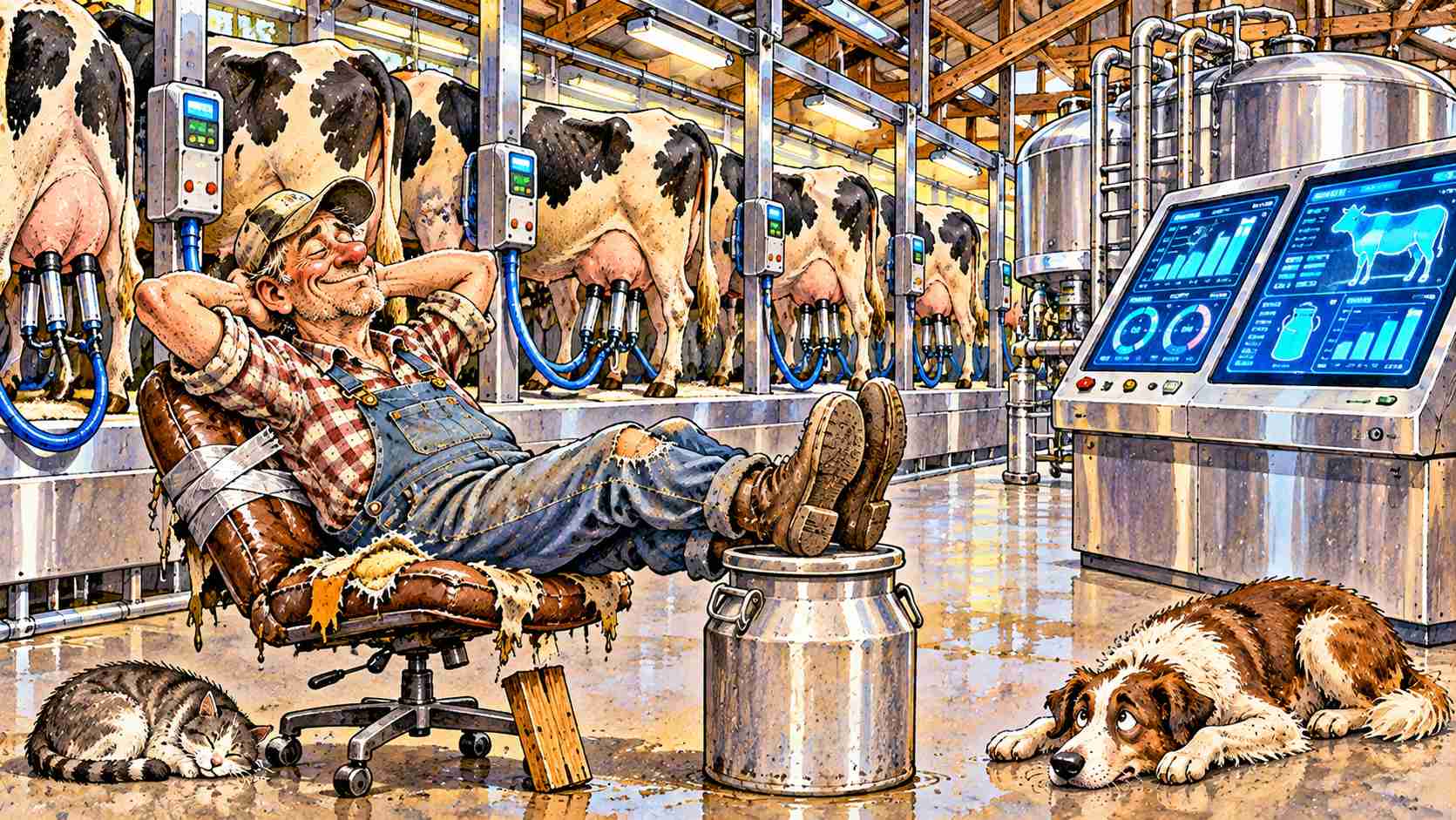
Where the strain comes from
A parlor worker repeats similar motions many times in a row, often with arms raised or bent, wrists twisted and the neck angled to see the udder. Cold, wet floors, noise and a fast pace add stress. Over months and years these movements can wear on shoulders, elbows, wrists, hands, back and knees.
Repetitive strain is not a sign of weakness. It is a predictable result of a task done the same way many times, and it can affect people of any age, size, gender or experience. Early attention costs far less than a long recovery.
Parlor design differs from farm to farm. A walk-through parlor in a small Texas dairy and a rotary in a large one create different strains, so describe your own setup when you talk to a safety consultant.
Signs to take seriously
Aches that come and go, numbness or tingling in the fingers, a weaker grip, stiffness in the morning and pain that wakes you at night are common warning signs. Do not tough it out and hope it disappears.
Tell a supervisor early, and see a health professional. Employers should make it safe to report without penalty. Texas workers' compensation rules are explained by the Texas Department of Insurance, and employers should confirm current options there.
- Pain that persists after rest
- Numbness or tingling in hands
- Reduced grip strength
- Swelling or stiffness in joints
- Pain that wakes you at night
Fixes that start with the parlor
The best fixes change the work, not the worker. Pit depth and platform height that match the crew, good lighting, units that hang at a comfortable angle, floors with anti-fatigue surfaces and well-placed supplies all reduce awkward reach.
Maintenance matters too. A balky gate or a unit with a stiff hose forces extra effort. Ask the crew what annoys them most and fix those first. The CDC and OSHA sites describe ergonomics in general, and extension services such as Texas A&M AgriLife Extension offer dairy facility guidance.
Involve the crew when you buy or modify equipment. People who use the units every day can tell you more about reach, weight and balance than a catalog can.
Habits that help
Rotate tasks where possible, take short breaks to stretch, keep wrists as straight as the work allows and use both hands. Wear gloves that fit, and keep them dry. Stay hydrated and keep sleep regular.
Training matters. A new hire who learns a smooth routine in the first week avoids habits that cause trouble later. Pair new workers with experienced ones, and encourage them to ask about technique, not just speed.
Some workers wear braces or supports. Ask a health professional what suits your situation, since the wrong support can hide a problem.
Staffing and scheduling
Long shifts without rest raise risk. A rotation that moves people between milking, cow movement and other tasks spreads the load. Even small changes, such as a short break between groups of cows, make a difference.
A hypothetical example: a parlor crew trades positions each shift so no one spends every hour on the same side of the pit. Over weeks, the crew reports fewer sore shoulders. Results will vary, so track your own.
Pacing matters too. A parlor that runs hard for hours with no change in pace wears people down. Even a few minutes between groups can help.
Build your own ergonomic walk-through
Once a quarter, walk the parlor with a few crew members and write down what you see: awkward reaches, slippery spots, heavy lifts, noise, repeated bending. Rate each by how often it happens and how bad it is, and fix the top three.
Keep the list, note what changed and ask people if it helped. For broader safety ideas, see this farm safety guide and this dairy herd care guide. Workplace rights and youth employment rules are explained by the Department of Labor.
Support and a note on farm.FM
If you or a co-worker are in constant pain, talk to a doctor, and ask about workplace adjustments. Health information is available through the Rural Health Information Hub for rural communities.
For other reading about dairy life, farm.FM has dairy stories and farm education stories, including a farm.FM piece on milking parlor work. This is general education, not medical advice.
Sources and further reading
- CDC: public health
- OSHA: workplace safety
- Texas Department of Insurance, Workers Compensation: Texas workers comp information
- Texas A&M AgriLife Extension: Texas extension service
- Rural Health Information Hub: rural health resources
- U.S. Department of Labor: labor rules and programs
Ask locally: Ask a doctor about symptoms and a safety consultant or extension agent about parlor design.