Recruitment, Housing and Workplace Culture
Worker Housing and Utilities
For many dairy employees, a home near the farm is part of the deal. Getting housing and utilities right is practical, fair and good for retention.
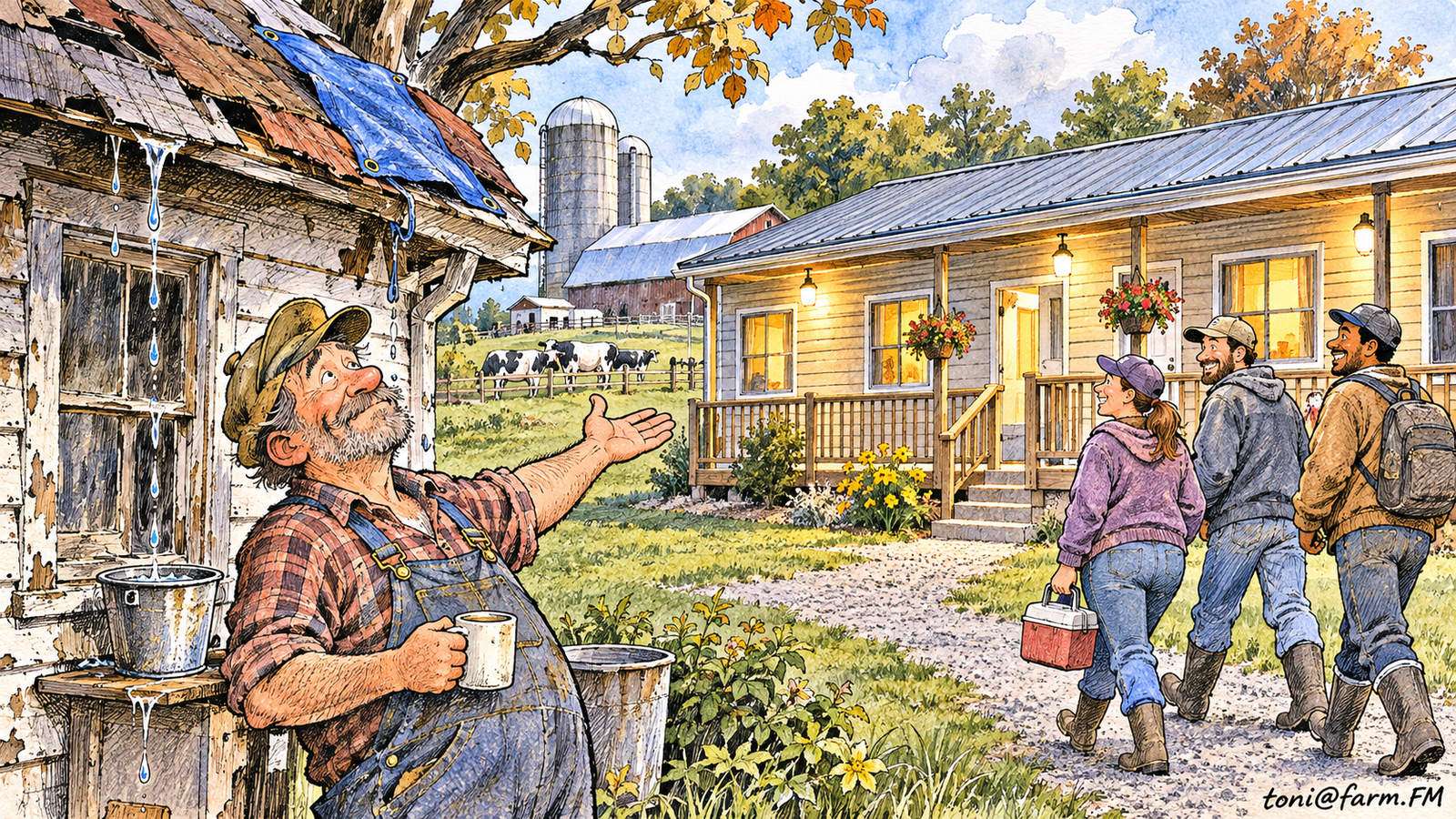
Why do dairies offer housing at all?
Rural dairies can be far from towns with rental homes, and early shifts make long commutes unsafe. Housing near the barn solves a real problem for both sides. It also attracts workers who may be moving from other places and need somewhere to land.
Because housing is linked to a job, it needs clear terms. Whether you are a small dairy near Dublin with one house or a larger operation with several units, plan the arrangement the way you would any serious employee benefit.
Condition, safety and basic standards
Housing should be safe, sanitary and in working order. Walk each unit before move-in and check heating, cooling, plumbing, wiring, locks, smoke alarms and pest control. The OSHA site and the Department of Labor explain when additional standards may apply, especially for some temporary or program-based workers.
Do not assume. Read the current requirements and ask a Texas employment attorney about your situation. Keep a dated record of inspections and repairs.
- Heating and cooling suited to Texas weather
- Smoke and carbon monoxide alarms, tested regularly
- Safe drinking water and working plumbing
- Sound electrical systems and secure doors and windows
- A clear route out in an emergency, with the address posted
Utilities: who pays and how it is tracked
Decide whether utilities are included, shared or billed to the resident, and put it in writing. If the farm shares a meter among units, explain how costs are divided. Surprises on a bill cause conflict, especially in a hot Texas summer.
If any cost is taken from pay, check the rules first at the Wage and Hour Division and Texas Payday Law pages. Deductions can affect minimum wage and overtime calculations. Keep itemized records that the worker can see.
Written agreements and fair treatment
Write a short housing agreement in plain language covering rent or the absence of it, what happens if employment ends, notice before entry, rules about guests and repair requests. Provide a copy in the language the resident reads. Never use housing as a threat or pressure in a work dispute.
People of every background and family type should receive the same terms. The EEOC offers information on discrimination at work, and fair housing rules may also apply to rentals, so ask a lawyer how they relate to your arrangement.
Hypothetical example: a one-house dairy
Picture a family dairy with a single farmhouse for a herd manager and their family. The owner writes down that the house is provided with water and electric included in the work arrangement, that repairs go to the owner, and that thirty days of notice is the plan if the job ends. Exact periods should be set with an attorney.
Both sides sign and keep a copy. A year later, when the air conditioner fails, the agreement tells everyone what to do. This is only an example, but the principle works for any size. The agricultural jobs guide has more on employer-employee expectations.
Funding and technical help
Some programs support rural housing and community facilities. Ask USDA Rural Development what exists, and check with your lender about how to finance repairs. Do not assume any program applies until you read the official terms. AgriLife Extension can also point you to employer resources.
The details change, so verify them at the official site. For an easy read when the paperwork is done, farm.FM dairy has stories about farm life, and a farm.FM story on farmhouse living adds some perspective. The agribusiness section covers farm economics too.
A move-in and move-out checklist
Treat arrival and departure as two moments that deserve care. At move-in, walk through the unit together, note existing wear, explain how utilities work and hand over a list of contacts for repairs and emergencies. Ask for questions and answer them plainly. The onboarding ideas in a farm safety resource apply to housing too.
At move-out, return deposits or settle accounts promptly if any apply, document the condition with photos, and thank the person for their work. Confirm timing rules with an attorney. A respectful departure leaves a good reputation in the community, and word travels quickly in rural Texas.
Sources and further reading
- OSHA: workplace safety
- U.S. Department of Labor: labor rules and programs
- DOL Wage and Hour Division: federal wage and overtime rules
- Texas Payday Law (TWC): Texas wage claims
- U.S. EEOC: workplace discrimination and harassment rules
- USDA Rural Development: rural business and community programs
Ask locally: A Texas employment attorney and your local AgriLife Extension office can help you set fair, legal housing terms.