Processing, Sales and Logistics
The Dairy Chef: Creating Delicious Dishes
A dairy chef builds menus around milk, cheese, butter, cream and yogurt, in restaurants, bakeries, creameries and farm kitchens. Here is how the job works and how to start in Texas.
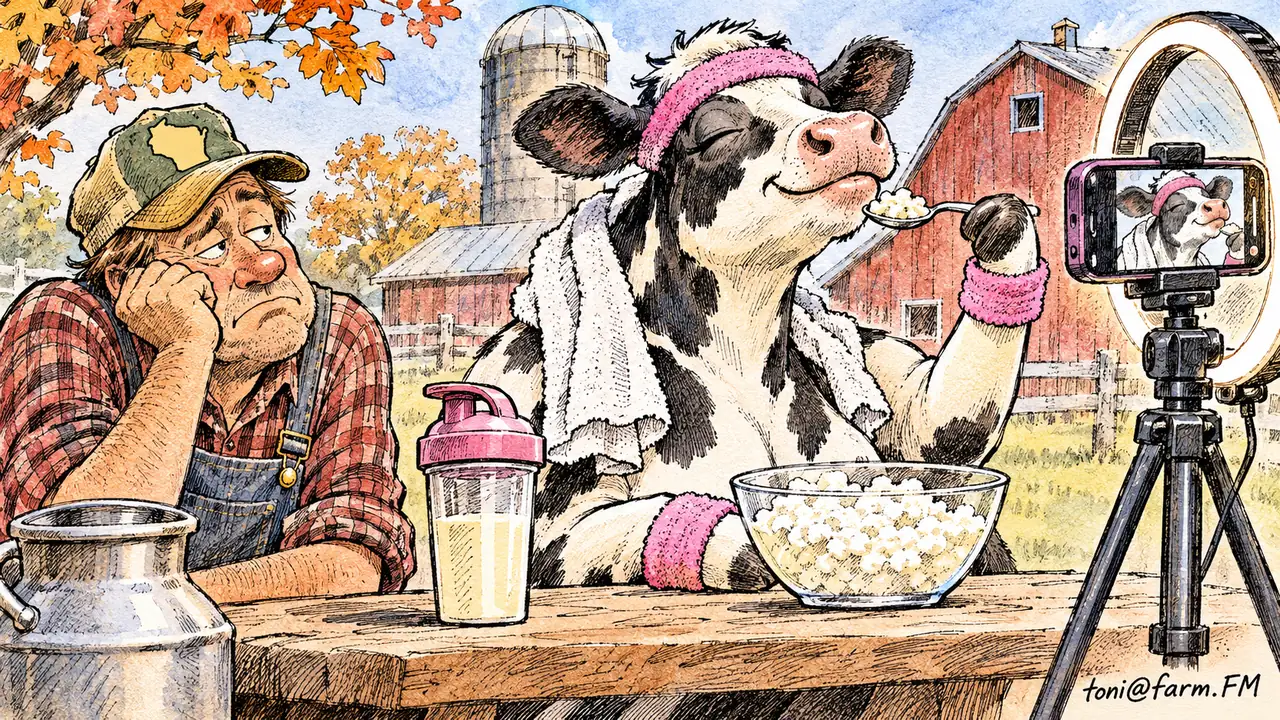
What does a dairy-focused chef do?
Dairy is central to a huge share of cooking. A chef may make cheese plates, ice cream, sauces, custards, baked goods or a farm-to-table menu that features a nearby creamery. The job includes menu planning, ordering, prep, cooking, plating, costing and managing a team in a hot, fast kitchen.
Some chefs work in restaurants, some in hotels or schools and some in farm stores or agritourism kitchens attached to a dairy. Others test recipes for brands or teach classes.
Costing is as much a part of the job as cooking. A chef works out what each plate costs in cheese, cream and labor, then adjusts portions or prices so the kitchen survives. Learning to read a supplier invoice and spot a change early is a skill that separates a cook from a chef.
- Menu design and recipe testing
- Ordering and costing ingredients
- Prep, cooking and plating
- Leading and training kitchen staff
Who is this career a good fit for?
It suits people who enjoy detail, teamwork and physical work. Kitchens are hot, loud and busy, with long shifts on holidays and weekends. If you like making something people eat and enjoy, and you can stay calm when tickets stack up, the work can be deeply satisfying.
People of every background and many languages succeed in kitchens, and some of the strongest chefs started as dishwashers or prep cooks.
The physical side is real: long hours on your feet, heat, heavy pots and little rest during service. People who last build habits for sleep, stretching and eating, and they find a team that looks after each other.
Training routes in Texas
Many chefs learn on the job, working up from prep or line cook. Texas community colleges offer culinary and hospitality programs, and private culinary schools exist too, so compare costs and outcomes before you commit. The Texas Workforce Commission lists training and apprenticeship information, and Dairy MAX offers dairy education that can help with menu ideas.
A food manager certification is commonly required in kitchens, and the specific requirement depends on the location and role, so confirm with local health authorities and the Texas Department of Agriculture where relevant.
- Entry job as a prep or line cook
- Culinary program at a community college
- Food handler and manager certifications as required
Food safety and kitchen realities
Dairy products are perishable, and chefs are responsible for cold storage, cross contact with allergens, clean surfaces and safe handling. FDA food safety guidance explains the basics of holding and handling food, and CDC resources describe food safety and illness prevention. Ask your local health department about what applies to your kitchen.
Kitchens have burns, cuts, slips and strains. Good shoes, sharp knives kept sharp, clear walkways and training reduce injuries. Basic hazard thinking from farm and workplace safety guides transfers to kitchens too.
Allergen handling deserves special attention in a dairy-heavy kitchen. Milk is a common allergen, so labeling, separate utensils and clear communication with servers protect guests. Ask your trainer or health department what your kitchen must document.
A day in the life (an example)
Here is a hypothetical day. A chef arrives at ten to check deliveries and temperatures. Midday is prep for a dinner menu that includes a cheese course, a cream sauce and a dessert built on custard. Afternoon is a staff meeting, a tasting and ordering. Evening is service, followed by cleaning, labeling and closing out.
The days are long, but the work is concrete: each plate is a finished product.
Farm visits are a perk of the job. Chefs who build a relationship with a creamery learn about seasonal differences in milk, which can change how a cheese or ice cream behaves, and the farm gets a customer who values quality.
How it connects and where it leads
Chefs work with farms, creameries, distributors, servers, food scientists and event planners. Many buy from local dairies, which links the kitchen back to the barn, and you can learn more about the dairy side at dairy herd and milk guides.
The ladder runs from prep cook to line cook, sous chef, chef de cuisine and executive chef, or into catering, teaching, product development or a restaurant of your own. A restaurant owner faces business, tax and insurance questions, which the SBA, Texas Comptroller and IRS cover at a general level.
First steps this month
Cook three dairy-forward dishes you have not made before and write down what worked. Ask a restaurant or bakery if you can observe a prep shift. Check the Bureau of Labor Statistics occupational pages for the general outlook, and visit a farm store or creamery to see where ingredients come from.
For inspiration and a smile, farm.FM has farm food stories and a lighter dairy section, plus a farm.FM story about cheese.
- Take a basic food handler course
- Ask for a trial shift or stage
- Visit a local creamery or farm store
Sources and further reading
- Texas Workforce Commission: employment and labor programs
- Dairy MAX: dairy promotion in the Southwest
- Texas Department of Agriculture: state agriculture agency
- FDA: food and drug safety
- CDC: public health
- SBA: small business loans and counseling
Ask locally: Ask a local restaurant owner, culinary instructor or your city health department about training and food safety requirements.