The Milking Parlor Technician: A Skilled Trade
Milking looks simple from the viewing window. Behind it is a skilled routine that protects cow health, milk quality and the person at the end of the row.
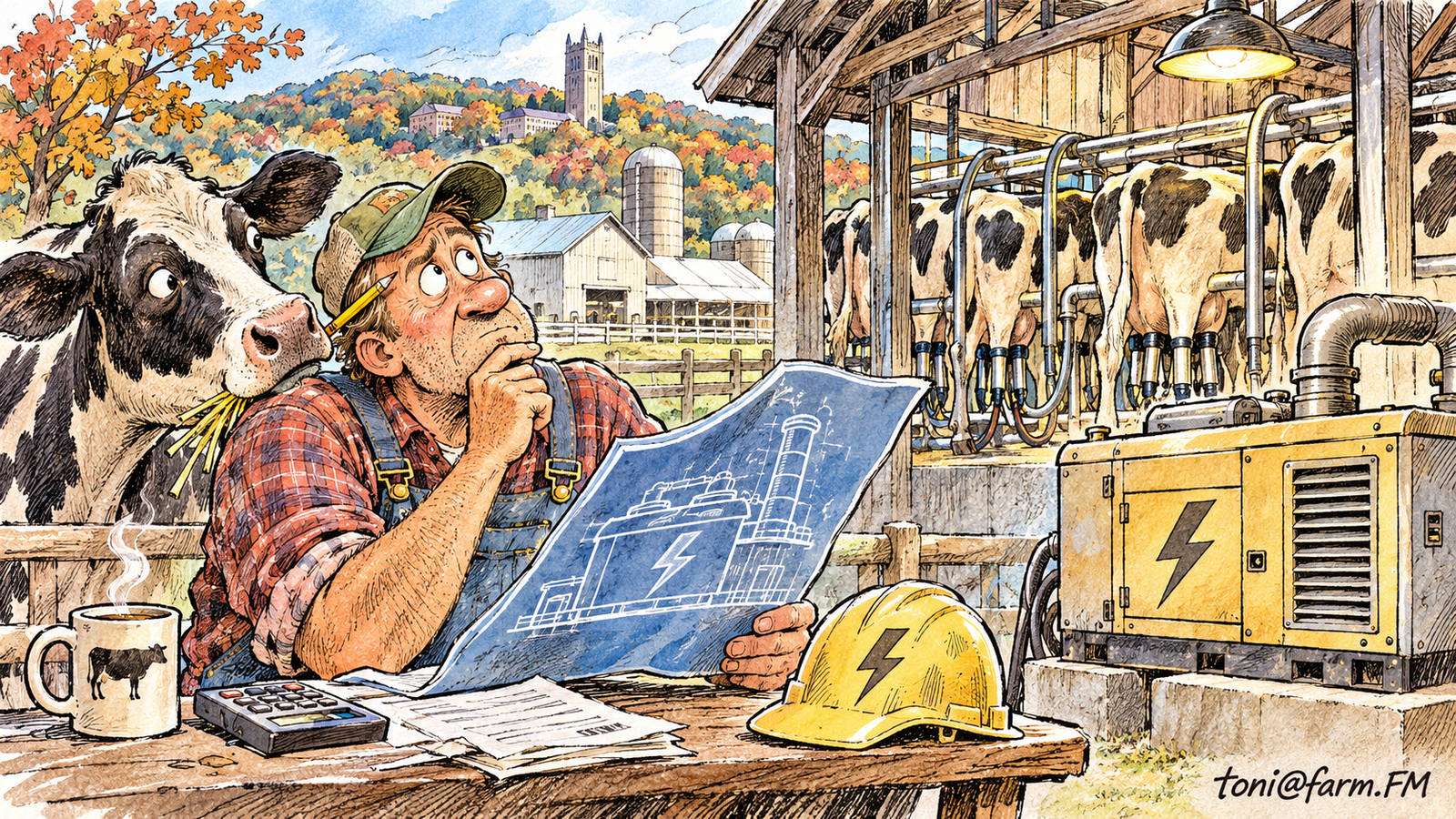
What does a parlor technician do?
A parlor technician moves cows through the milking area, prepares teats, attaches and removes milking units, and watches for problems. They follow set routines for cleaning and sanitizing, and they record cows that show signs of mastitis, lameness or other trouble. They also keep the parlor clean and report equipment issues.
The job is a quality-control position in disguise. Milk goes into a food supply, and the technician's habits determine how clean and safe that milk is. Consistency, gentleness and honest record keeping set great technicians apart.
Training for the role often includes learning why each step exists. Teat preparation encourages milk letdown and reduces bacteria. Unit alignment helps cows milk out comfortably. Postmilking dips protect the teat end. When people understand the reason behind a step, they are more likely to do it right at the end of a long shift.
What does a shift look like?
Hypothetical example: the crew gathers a few minutes before the shift for a quick briefing about cows to check. Groups of cows enter the parlor. The technician preps, attaches, checks letdown and moves on to the next unit, and the rhythm continues for hours. Between groups they clean the area, mark cows for the herd manager, and monitor equipment sounds and vacuum alerts.
Shifts run early, late and weekends depending on the schedule. Standing on concrete in wet conditions is part of the job, so good boots and footing matter.
What skills and traits help?
Gentle handling, consistency, hygiene habits and the ability to work in a team are the basics. People who enjoy rhythm and routine often thrive. You do not need prior dairy experience for many entry roles, but you do need patience and the willingness to learn protocols.
Communication also matters. Crews are often multilingual, and clear, respectful instructions keep everyone safe.
Hypothetical example: a technician notices a cow flinching during unit attachment, marks her, and tells the supervisor. A quick check finds a minor teat injury that gets treated early. Small catches like this are the everyday value of a skilled parlor crew.
- Calm, low-stress cow handling
- Strict hygiene routines
- Attention to udder and cow health
- Respectful teamwork across languages
How do you train in Texas?
Most training is on the job with a lead milker or supervisor. Extension programs from Texas A&M AgriLife Extension and educational resources from Dairy MAX cover milking routines, milk quality and cow comfort. The FDA publishes information related to milk safety, and the dairy herd care guide explains udder health basics.
Some dairies run in-house training programs with checklists. Ask whether new hires shadow an experienced technician and how long before they work alone.
How does it connect to other roles?
The parlor crew reports to a parlor supervisor or herd manager. They hand off sick cow information, rely on mechanics for equipment and work with quality staff or the veterinarian on mastitis control. They also depend on those who haul milk and test samples.
Because they see every cow every day, parlor technicians are often the first to notice that something is wrong. A technician who speaks up early is valuable.
Many dairies also use cow identification systems and parlor software that record yield and flag cows for attention. Learning to read the screen and trust but verify the numbers is a growing part of the trade, and technicians who embrace it often move toward supervisory roles.
What are the realities and where can it lead?
The work is physical and repetitive, with risks like slips, kicks, noise and repetitive strain. Safety training and good habits matter. See OSHA and the farm safety guide.
Career steps include lead milker, parlor supervisor, herd health or reproduction work, or equipment specialist. For outlook, check the Bureau of Labor Statistics, and for openings the Texas Workforce Commission. farm.FM has a dairy section that celebrates the people in the parlor.
What can you do this month?
Visit a dairy if tours are offered, or talk to someone who works in a parlor. Learn the basics of udder anatomy and milking hygiene. Practice standing and moving safely in wet, noisy places with good boots.
A farm.FM story from the parlor may also help you picture the work. Learning-minded readers can find more at farm.FM's education stories.
- Ask for a tour or a shadow shift
- Read about milk quality basics
- Buy sturdy, non-slip boots
- Ask about training length
Sources and further reading
- Texas A&M AgriLife Extension: Texas extension service
- Dairy MAX: dairy promotion in the Southwest
- FDA: food and drug safety
- OSHA: workplace safety
- Bureau of Labor Statistics: labor and price data
- Texas Workforce Commission: employment and labor programs
Ask locally: Ask a local dairy supervisor or a Texas A&M AgriLife Extension dairy specialist about the milking routines they teach new hires.