Agritourism and Farm Experiences
The Dairy Wedding Venue Owner: Hosting Events on the Farm
A farm venue offers couples and families a rustic setting, and it offers the farm a new income stream. It also brings crowds, rules and risk to a place built for cows.
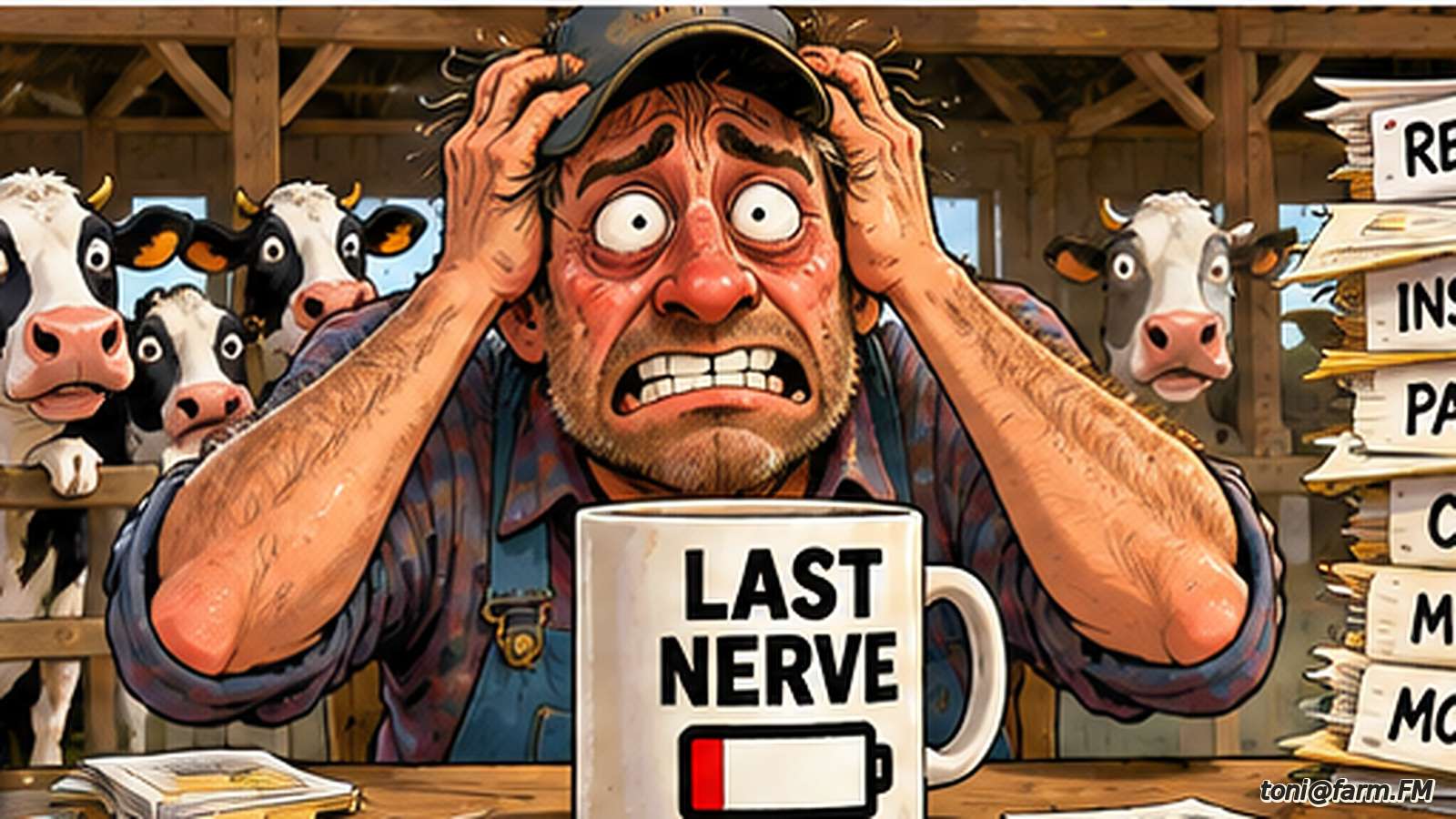
What running a venue involves
Owners handle bookings, tours, contracts, scheduling, setup, cleanup, vendors and guest safety. They answer inquiries, coordinate with caterers and musicians and keep the grounds looking good. Much of the work happens before and after the event.
Events create noise, traffic and a lot of people, so the owner must balance guest needs with farm operations and neighbors.
Many venues hire an event coordinator or a day-of lead to manage the schedule on the day.
Who it suits
This fits organized, personable people who stay calm under pressure and enjoy hospitality. Skills from event planning, hospitality, sales and property management transfer well. You must be willing to work weekends and holidays, and to deal with last-minute changes.
People of every background run venues and host celebrations of all kinds. Clear policies and a welcoming attitude toward all guests are good business and good manners.
A key question is whether you enjoy hosting other people's biggest days. Weddings carry emotion and high expectations. A venue owner who stays kind but firm about the rules, and who communicates clearly, tends to build a strong reputation by word of mouth.
- Contract and calendar management
- Vendor coordination
- Calm under pressure
- Property upkeep
Rules, money and who to ask
Events trigger rules about zoning, occupancy, fire safety, food service, alcohol, parking and noise. Ask your city and county and a licensed professional what applies. Do not guess. The SBA offers counseling, Texas Department of Agriculture can point to farm-related guidance and the Texas Comptroller can answer tax questions.
For federal tax basics, see the IRS, and if you hire staff, check wage rules with the Department of Labor.
This is general education, not legal or tax advice.
A hypothetical Saturday, as an example
Morning begins with a walk-through of the grounds, checking restrooms, parking and power. Vendors arrive and set up. A coordinator handles the ceremony timeline while the owner stays available to solve problems.
Meanwhile the dairy runs on its regular schedule, with careful routing so guests and cows do not mix. By night, cleanup begins. For a laugh about weddings and cows, farm.FM satire has stories that couples sometimes share with their guests.
Good communication makes everything easier. Send clients a written checklist of arrival times, vendor access, quiet hours and cleanup expectations. Walk the site with the client before the event and confirm what is included in the contract, with an attorney reviewing the final wording.
Safety, insurance and the farm
Keep guests away from machinery, manure areas and animals unless supervised. Provide clear signs, lighting and safe parking, and plan for heat and storms with National Weather Service forecasts. See farm safety guidance for hazard ideas.
Ask an insurance professional about coverage for events, alcohol and property damage, and have a written plan for emergencies. Ready.gov offers planning resources.
Protect biosecurity by keeping guests away from the herd unless the farm allows controlled visits.
Where it leads
Owners can expand into other events, lodging or catering partnerships, or move into hospitality management. Some become consultants for other farms. See small farm business resources.
For hiring and training help, check the Texas Workforce Commission and review BLS outlook data.
Think about the neighbors. Noise, traffic and late departures can strain relationships, so tell nearby residents about events in advance and give them a phone number. A good neighbor policy protects both your reputation and your ability to keep operating.
First steps this month
Test your idea in a small way before investing. Hosting one family gathering can reveal what works.
Visit another farm venue as a guest, call your county about event rules and read a farm.FM story about a barn wedding. Then browse farm satire and dairy stories.
Track your numbers carefully. Bookings, deposits, cleaning costs, repairs, taxes and your own time all matter. Ask a tax professional how to separate venue income from dairy income, and review your numbers after each season to decide whether the venue is helping the farm.
- Visit a farm venue and take notes
- Call county officials about event requirements
- Ask an insurance agent about event coverage
- Draft a sample contract outline for a lawyer to review
Sources and further reading
- SBA: small business loans and counseling
- Texas Department of Agriculture: state agriculture agency
- Texas Comptroller: state tax and economic data
- IRS: federal tax guidance
- U.S. Department of Labor: labor rules and programs
- National Weather Service: forecasts and warnings
Ask locally: Ask city and county officials about event permits, and an insurance agent and an attorney about coverage and contracts.