Agritourism and Farm Experiences
The Dairy Camp Director: Running a Summer Camp
A farm camp introduces children to animals, food and agriculture, but it is a child care program first. A camp director is responsible for safety, staffing and the quality of every day.
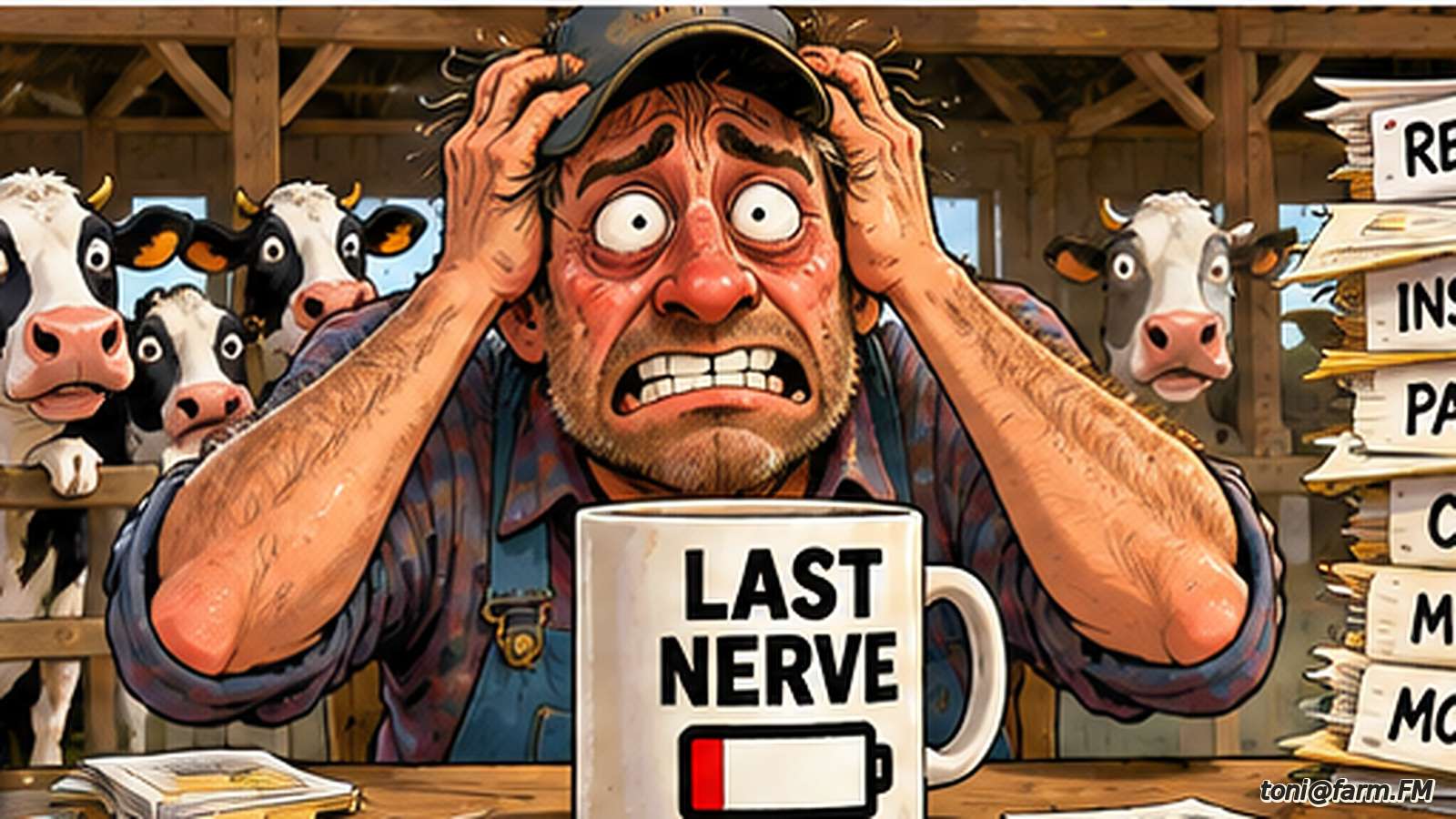
What a camp director does
The director designs the schedule, hires and trains counselors, communicates with parents, manages the budget and makes safety decisions. On a dairy, that also means coordinating with farm staff so campers see real work without getting in its way.
Activities might include learning about calves, making butter, crafts, nature walks and games. Every activity needs a plan for supervision, weather and emergencies.
The director is the person everyone calls when something goes wrong, so calm leadership matters.
Who it suits
This role suits organized leaders who enjoy children and teaching. Backgrounds in education, youth work, recreation or farm education all help. You must be comfortable making safety decisions and talking with worried parents.
People of every background run great camps. Counselors who reflect the community and speak the families' languages help children and parents feel welcome.
Ask yourself how you handle a crying child at drop-off, a sunburned camper and a parent who arrives early with a complaint, all before lunch. Directors who enjoy that mix of heart and logistics thrive. If it sounds exhausting, a counselor or activity-leader role may suit you better.
- Leadership and teamwork
- Child safety awareness
- Clear communication with parents
- Budgeting and planning
Training and requirements to ask about
Camp work involves rules on child safety, staff screening, supervision and sometimes licensing. Requirements vary, so ask your local officials and the relevant state agencies what applies to your program. Do not assume that a farm program is exempt.
First aid and CPR training are standard for staff. Review CDC guidance on health and safety for camps and animal contact, and consult Ready.gov for emergency planning. For youth employment rules, see the Department of Labor.
Community colleges and youth organizations in Texas offer training in child development and first aid.
A hypothetical camp day, as an example
Imagine a morning that begins with arrival, a safety talk and a handwashing routine. Campers rotate through stations, such as learning how calves are fed, making a farm craft and playing a game. A midday meal and rest break follow.
The afternoon might include a story circle and an afternoon pickup with a parent update. Weather plans are ready for hot days, and shaded rest areas are available. For a laugh before camp starts, farm.FM dairy stories are good counselor-training material.
Training counselors well is half the job. Walk them through the schedule, safety rules, emergency steps and how to talk with campers kindly but firmly. Role-play a few situations, such as a lost shoe or a stung camper, so no one is learning on the spot.
Safety, heat and animals
Texas summers bring serious heat. Plan shade, water breaks and a way to move indoors, and monitor forecasts from the National Weather Service. Keep ratios of staff to children as required and know where every camper is at all times.
Animals bring both joy and risk. Follow handwashing practice, supervise contact and set rules about where campers may go. See farm safety guidance for hazards, and ask the Texas Animal Health Commission about animal health precautions.
Talk with an insurance professional and an attorney about coverage and forms.
Where it leads and how to prepare
Directors can grow programs, run year-round youth education or move into school and nonprofit leadership. Many start as counselors. Check openings via the Texas Workforce Commission and see BLS outlook data for the general picture.
Our guide to agricultural career resources and the dairy basics guide give extra context.
Money matters too. Camps need a clear budget covering staff, insurance, supplies, snacks and a cushion. Ask a small business counselor at the SBA for planning help, and check with a tax professional about how fees and wages are handled.
First steps this month
Gain experience before you lead. Working as a counselor at an existing program teaches things no article can.
Ask a camp director for a conversation, take a first aid course and sketch a sample week of activities. Then enjoy a farm.FM story about kids on the farm and browse farm education stories and dairy stories.
Parents want to know what happens when something goes wrong. Write your emergency plan in plain language, share it at sign-up and practice it with staff before the first camper arrives.
- Work or volunteer as a counselor
- Take a first aid and CPR course
- Call local officials about camp requirements
- Draft a sample weekly schedule
Sources and further reading
- CDC: public health
- Ready.gov: FEMA disaster preparedness
- U.S. Department of Labor: labor rules and programs
- National Weather Service: forecasts and warnings
- Texas Animal Health Commission: animal disease rules
- Texas Workforce Commission: employment and labor programs
Ask locally: Ask your county health office and an experienced camp director what rules apply, and an insurance professional about coverage.